
Table of Contents
Introduction to Mindful Workspaces
In today’s fast-paced world, the concept of mindful workspaces has gained significant attention, as more individuals recognize the impact of their environment on productivity and emotional well-being. A mindful workspace is one that fosters focus and serenity, thus enabling individuals to navigate their tasks with clarity and purpose. By carefully curating our surroundings, we can enhance our ability to concentrate while effectively managing stress, leading to a more satisfying professional experience.
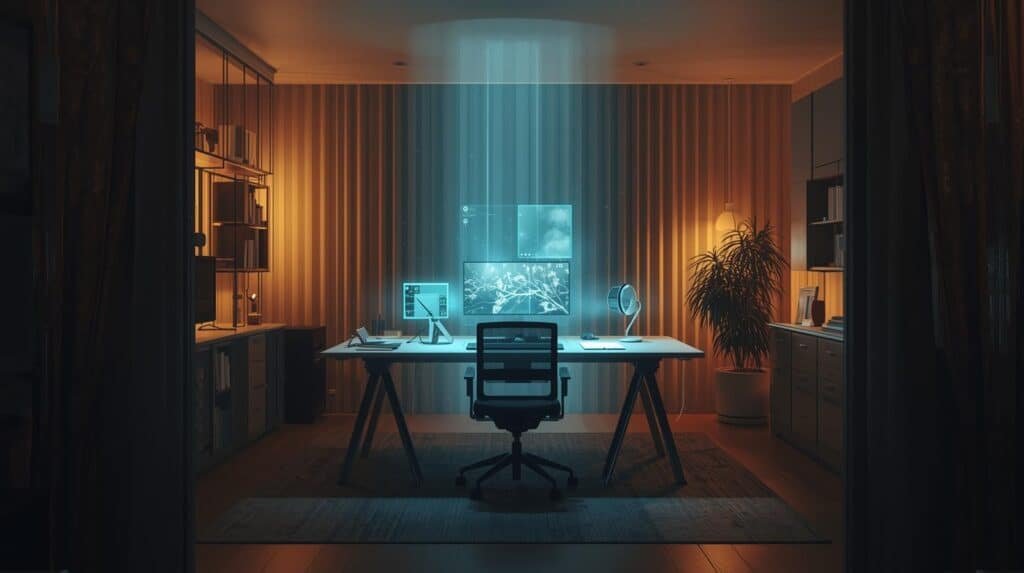
The environments we inhabit play a crucial role in shaping our mental state. For instance, a cluttered and chaotic workspace may lead to distractions and overwhelm, impeding our ability to complete tasks efficiently. On the other hand, an organized and thoughtfully designed area can promote a sense of calm and focus, ultimately enhancing our productivity. Mindful workspace principles encourage us to be intentional about our surroundings, from the arrangement of furniture to the incorporation of technology that aids our workflow.
In particular, the integration of mindful home tech can significantly amplify the benefits of a mindful workspace. By utilizing devices that support mood enhancement, noise reduction, and efficient task management, individuals can create a personalized environment that caters to their specific needs. For instance, smart lighting solutions can adjust to various tasks and moods, while advanced sound systems can provide soothing background music or block out distracting noises. This overlap between mindful home tech and mindfulness not only facilitates better focus but also cultivates a harmonious atmosphere conducive to productivity.
Understanding the importance of cultivating a mindful workspace lays the groundwork for exploring specific technologies and practices. As we delve deeper into this subject, we will examine various tools and strategies that can elevate our work-from-home experiences, empowering each of us to create environments that support our well-being and efficiency.
The Science of Scent: Aromatherapy for Productivity
Aromatherapy, the practice of using essential oils extracted from plants for therapeutic benefits, has gained widespread popularity, particularly in enhancing productivity and emotional well-being. Research in the field of neuroaesthetics, which examines the brain’s response to aesthetic experiences, offers insights into how certain scents can activate brain pathways that influence concentration and mood. For instance, studies have indicated that fragrances such as rosemary and peppermint can significantly enhance memory retention and alertness. This connection between scent and cognitive function highlights the potential for aromatherapy to be cultivated in a workspace for increased efficiency.
Additionally, certain essential oils have been found to reduce anxiety and stress levels, conditions that often compromise productivity. Lavender, for example, has been shown to have calming properties that can decrease feelings of tension and promote relaxation. When anxiety is alleviated, individuals are more likely to focus on their tasks and produce high-quality work. The psychological effect of pleasant aromas also contributes to an environment that encourages creativity and minimizes distractions.
It is crucial to recognize that individual responses to scents can vary, thus it is advisable to experiment with different essential oils to find a personal preference. Moreover, incorporating aromatherapy into a workspace does not necessitate complex implementations; simple methods such as using a diffuser or scented candles can be effective. Ultimately, the strategic use of scent, grounded in scientific research, can create a conducive atmosphere that fosters productivity and enhances overall well-being. By integrating mindful home tech solutions that encompass aromatherapy, individuals can cultivate an oasis of focus and calm amidst the demands of their work tasks.
Smart Aromatherapy Diffusers: Choosing the Right One
In recent years, the rise of smart technology has significantly transformed the landscape of home wellness products, including smart aromatherapy diffusers. These devices not only disperse essential oils but also often integrate with smart home systems, enhancing their functionality. When selecting a smart diffuser, one must consider various factors such as compatibility, features, and the types of essential oils that promote focus and tranquility in the workspace.
Compatibility is a crucial aspect when choosing a diffuser. Many smart diffusers are compatible with various platforms like Amazon Alexa, Google Assistant, or Apple HomeKit, allowing for seamless integration into your home automation system. This feature enables users to control their diffuser using voice commands or remotely via a smartphone app. Additionally, some diffusers come equipped with programmable settings, allowing users to schedule specific times for aromatherapy sessions, which can further enhance productivity and focus during working hours.
Another significant factor is the design and size of the diffuser. Smart aromatherapy diffusers come in various styles suitable for different spaces, whether you have a home office, a small desk, or a larger workspace. A compact model might be ideal for a smaller desk, while larger spaces may benefit from a diffuser that can cover more ground. Furthermore, a diffuser with adjustable mist settings can cater to personal preferences, allowing individuals to customize their experience based on the duration and intensity of the scent.
Regarding essential oils, certain varieties are particularly beneficial for enhancing focus and fostering a peaceful work environment. Essential oils such as lavender, peppermint, and lemon are known for their calming and invigorating properties, helping to create an atmosphere conducive to productivity. Before making a decision, it is advisable to explore user reviews and recommendations for specific essential oils that best suit your needs and preferences.
The Role of Light: Understanding Color and Mood
Lighting plays a crucial role in shaping our emotional states and overall productivity levels. The psychology of color has been well-documented, revealing how different hues can affect our mental well-being and focus. As such, understanding this relationship is vital for creating a calming workspace that promotes concentration and reduces stress.
Natural light is often considered the most beneficial form of lighting. Exposure to daylight has been shown to improve mood, increase alertness, and enhance productivity. Natural light helps regulate our circadian rhythms, which are essential for maintaining healthy sleep patterns and overall well-being. Therefore, ensuring that a workspace incorporates ample natural light can enhance focus and create an inviting atmosphere, reducing feelings of fatigue and increase enthusiasm.
Furthermore, the use of color temperature in artificial lighting can significantly influence productivity. Warm light, which ranges from 2700K to 3000K, is known for creating a relaxed environment. It is particularly effective in spaces designated for unwinding or creative thinking. In contrast, cooler light, with a temperature of 4000K to 5000K, mimics daylight and is often more energizing. This type of light can foster focus and efficiency, making it ideal for workspaces where concentration is paramount.
Additionally, the psychological effects of color should not be overlooked when selecting light fixtures. For example, blue light has been linked to increased productivity and improved focus, while hints of green can evoke tranquility and balance. Orange and yellow tones can inspire creativity and enthusiasm, making them suitable for collaborative spaces. By strategically incorporating various shades and intensities, one can craft a workspace that not only enhances productivity but also nurtures emotional well-being.


LED Breathing Lamps: Incorporating Mindful Lighting
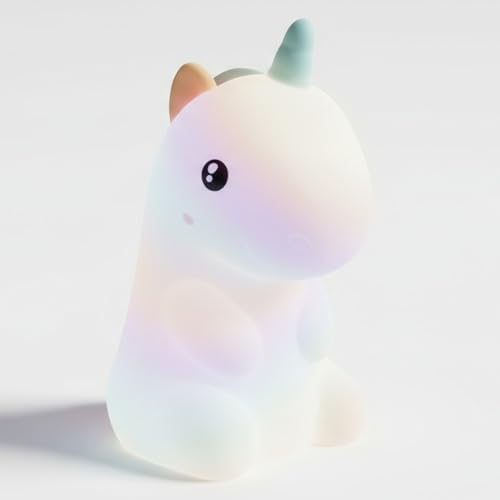
In the pursuit of a calming workspace, LED breathing lamps emerge as an innovative solution that promotes mindfulness and focus. These lamps are designed to mimic the natural rhythm of breathing, offering a gentle pulsation of light that can significantly enhance the atmosphere of any work environment. The soothing effect of these patterns can help reduce stress levels while increasing overall productivity, making them an excellent addition to a mindful home office setup.
When selecting an LED breathing lamp, it is essential to consider factors such as brightness, color temperature, and design. Opt for a lamp that allows you to adjust the intensity and color of the light to suit your preferences. Warm light tends to create a comfortable ambiance, while cooler tones can help maintain alertness during work hours. Additionally, choosing a lamp with a sleek and modern design can complement your workspace aesthetics while serving a functional purpose.
The significance of the breathing patterns emitted by these lamps cannot be understated. These patterns often reflect a slow, rhythmic pulse, which can evoke a direct response from our emotional and physiological states. As the light gently dims and brightens, it encourages a calming effect on the mind, potentially improving focus and reducing distractions. This aspect is particularly beneficial during long working hours, as it fosters a serene environment conducive to concentration.
To maximize the effects of LED breathing lamps in your workspace, consider placing them in areas that are highly visible or where you primarily work. Positioning the lamp at eye level can allow the breathing patterns to captivate your attention and remind you to take mindful breaks. Integrating this calming lighting into your workspace not only enhances the aesthetic quality but also serves as a powerful tool for cultivating a more productive and focused working environment.
Color-Adaptive Mood Lighting: Enhancing Your Environment
Color-adaptive mood lighting represents a significant advancement in creating an efficient and calming workspace. These innovative lighting solutions leverage technology to automatically adjust their hue and intensity, responding to the surroundings and user activities. The adaptive nature of these lights plays a crucial role in influencing focus, relaxation, and overall well-being—elements essential for a productive work environment.
The primary function of color-adaptive mood lighting is to customize the atmosphere based on the time of day and specific tasks at hand. For instance, during morning hours, cooler, bluish shades can help invigorate and stimulate focus, providing an energetic environment that promotes alertness and productivity. Conversely, as the day progresses into the evening, a shift to warmer, softer colors can help transition the workspace into a more relaxed setting, conducive to winding down and fostering creativity.
By integrating smart technology, these lighting systems can also be programmed to change in tandem with user preferences or external factors such as natural sunlight. This adaptability enhances the quality of light exposure throughout the day, aligning with our natural circadian rhythms. Consistent exposure to appropriate lighting not only improves mood but may also enhance cognitive function and keep fatigue at bay.
Moreover, the significance of customizing lighting for different tasks cannot be overstated. Whether engaged in deep focused work, brainstorming creative ideas, or taking breaks to recharge, the ability to adjust light settings according to the specific activities enhances productivity in meaningful ways. By thoughtfully employing color-adaptive mood lighting, individuals can create an environment that nurtures focus and encourages well-being, transforming their workspace into a sanctuary of productivity and calm.
Designing Your Mindful Workspace: Practical Setup Guide
Creating a mindful workspace involves thoughtful planning and intentional design that fosters focus and tranquility. Begin by selecting a location that minimizes distractions, where natural light can flow freely. A well-lit area not only enhances mood but also contributes to overall productivity. Position your desk perpendicular to windows, allowing sunlight to illuminate your work while avoiding glare on screens.
Next, consider the arrangement of your furniture. A minimalist approach can reduce clutter and mental overload. Opt for a desk that accommodates your needs while being spacious enough to hold essential tools and technology. Ensure your chair provides good ergonomics, which is crucial in maintaining focus during long hours. Keep most frequently used items within arm’s reach to minimize disruptions.
Integrating smart technology enhances both functionality and serenity. Arranging a smart aromatherapy diffuser on your desk can support relaxation and enhance mood. Select scents that are known for their calming properties, such as lavender or chamomile, to create an inviting atmosphere. Set a schedule for the diffuser to operate during peak work hours, ensuring that the calming aroma envelops your workspace consistently.
Additionally, consider utilizing breathing lamps, which serve as both a lighting source and a mindfulness tool. These lamps can be programmed to change colors or dim gradually, reminding you to take breaks and practice mindful breathing. Position one in your line of sight, so it gently signals moments for reflection throughout the workday.
Finally, complement your setup with adjustable mood lighting. Light plays a critical role in influencing your mental state. By choosing adjustable hues that can shift from soft whites to calming blues, you can significantly impact how you feel while working. Implement a dimmer switch to tailor brightness levels according to the time of day or task at hand.
By following these practical guidelines, you can create a space that is both functional and calming, promoting focus and enhancing productivity through mindful design.
Curated Product List for Your Mindful Sanctuary
Creating a mindful workspace is essential for enhancing focus and productivity. Below, we present a curated list of products available on Amazon that can help transform your environment into a calming sanctuary. Each item is thoughtfully selected for its ability to promote relaxation and enhance your work experience.
Smart Aromatherapy Diffuser: This device allows you to disperse essential oils into the air, providing a soothing atmosphere while you work. Many models come with customizable settings, including timer options and mist intensity. The use of aromatherapy has been shown to reduce stress and improve concentration, making this diffuser an ideal addition to your workspace.
LED Breathing Lamp: The LED breathing lamp provides gentle illumination mimicking the rhythm of your breath. This calming product can help reduce anxiety and enhance mindfulness during moments of work-related stress. With adjustable brightness levels, it can be tailored to suit your personal preference, creating an inviting ambiance conducive to deep focus.
Color-Adaptive Lighting: Innovative color-adaptive lighting systems are designed to change hues based on the time of day or your activity level. Such lighting solutions can improve mood and productivity by providing the right light for the right task, whether that be through energizing blues for active work periods or warm, soft whites for relaxation breaks. By adjusting the lighting conditions in your workspace, you can establish a more balanced and restorative environment.
These products not only enhance the aesthetic of your workspace but also contribute to your overall wellbeing. Fostering a calming atmosphere can help in maintaining a productive mindset, making these tools integral components of any mindful workspace.
Conclusion: Embracing Mindfulness in Your Work Environment
Creating a calming workspace is essential for enhancing productivity and emotional well-being. The integration of mindful home technology can significantly impact your work environment, allowing individuals to focus better and maintain tranquility. Mindfulness in the workspace encourages an atmosphere that is not only conducive to efficient work but also promotes mental clarity and emotional stability. As we have explored, incorporating technologies that minimize distractions, promote organization, and enhance comfort can play a pivotal role in achieving this balance.
Adopting design principles such as decluttering your physical space, using calming color schemes, and integrating nature can lay the foundation for a more serene work environment. The use of technology in creating a mindful workspace, such as adjustable standing desks, blue-light filtering screens, and ambient sound machines, can further empower individuals to maintain a steady focus while working. By thoughtfully employing these tools, one can cultivate a space that nurtures creativity, encourages collaboration, and fosters a deep connection with the work at hand.
As the lines between home and work continue to blur, the significance of creating a mindful workspace cannot be overstated. By prioritizing the incorporation of mindful technologies and intentionally designing your work environment, you set the stage for not only increased productivity but also improved emotional health. This holistic approach not only elevates work performance but also contributes to overall life satisfaction. Therefore, it is vital for individuals to actively engage in creating a workspace that reflects mindfulness, allowing both personal and professional growth to flourish.