

Table of Contents
Introduction to Analog Wellness
In an era where screens have become a dominant part of daily life, the emergence of analog wellness tools presents a refreshing alternative for promoting mindfulness. Analog wellness refers to the use of non-digital tools and practices that engage the senses and foster a deeper connection with one’s surroundings. Unlike their digital counterparts, which often distract and overwhelm, these tools emphasize tactile experiences, encouraging individuals to immerse themselves fully in the present moment.
The importance of analog wellness tools is increasingly recognized as more individuals seek to counterbalance the distractions of a screen-centric lifestyle. Digital devices, while beneficial in many respects, can lead to a fragmented experience where moments of mindfulness are diminished. Engaging with analog tools, such as journals, art supplies, or nature-based activities, can provide a much-needed respite from the constant bombardment of notifications and updates. These tools invite individuals to explore their creativity, reflect on their thoughts, and connect with the physical world around them in a meaningful way.
This contrast highlights the significance and advantages of choosing analog wellness strategies. The tactile nature of these tools engages not just the mind but also the body, creating a holistic experience that promotes emotional well-being. Activities like writing by hand or engaging in crafts allow for deeper cognitive processing and emotional expression, which are often diluted in digital interactions. As we navigate an increasingly digital world, embracing analog wellness practices can serve as both a refuge and a potent reminder of the value of being present.
Understanding the role of analog wellness tools is essential to appreciating their impact on mindfulness, thereby laying the groundwork for a more detailed exploration of their benefits in subsequent sections.
The Benefits of Mindfulness Practices
Mindfulness practices have gained significant recognition for their psychological and physiological benefits, particularly in a fast-paced, screen-dominated world. Engaging in mindfulness techniques can substantially reduce stress levels, enhance focus, and improve overall emotional well-being. By cultivating awareness of the present moment, individuals can navigate life’s challenges with greater ease and resilience.
One of the most prominent advantages of mindfulness is its ability to lower stress. Various studies have shown that regular mindfulness practices, such as meditation or mindful breathing, can activate the body’s relaxation response. This counteracts the physiological effects of stress by decreasing heart rate and blood pressure, thereby fostering a sense of calm and stability. Additionally, mindfulness encourages individuals to recognize stressors without immediate reaction, allowing for a more measured and thoughtful response.
Improved focus is another essential benefit associated with mindfulness. In our increasingly distracted world, the practice of mindfulness trains the mind to concentrate on one task at a time. This heightened awareness not only leads to better performance in daily activities but also enhances our ability to sustain attention. Enhanced focus can improve productivity and creativity, which are vital in both personal and professional spheres.
Furthermore, cultivating mindfulness can lead to enhanced emotional well-being. By engaging authentically with thoughts and feelings, individuals can develop a deeper understanding of their emotional landscape. This self-awareness fosters emotional regulation, allowing for healthier responses to life’s ups and downs. When practiced consistently, mindfulness contributes to greater resilience, leading to improved mental health outcomes.
Integrating mindfulness into our everyday routines can be significantly enhanced with the use of analog wellness tools, such as journals or guided meditation cards. These tools provide tangible ways to connect with mindfulness practices, further supporting individuals in their journey towards psychological balance and physiological health. By prioritizing mindfulness, one can unlock a multitude of benefits that profoundly impact overall quality of life.
Breathing Beads: A Simple Tool for Deep Breathing
Breathing beads are a traditional mindfulness tool often used to promote deep breathing and focus. They typically consist of a string of beads that can be made from various materials such as wood, glass, or stone. Each bead represents a point of focus, allowing individuals to cultivate a rhythm in their breathing patterns. The simplicity of breathing beads makes them an accessible resource for anyone looking to enhance their mindfulness practice without the distractions of modern technology.

To effectively incorporate breathing beads into your daily routine, begin by holding the string of beads in one hand. As you inhale deeply through your nose, move your fingers to the first bead. On your exhale, let your fingers glide to the next bead. This tactile approach helps ground your awareness in the present moment, making it easier to engage in deep breathing and mindfulness. It is advisable to establish a specific time each day, such as during a morning meditation or before bedtime, to practice this technique. Consistency is key in reaping the benefits.
The use of breathing beads can lead to numerous potential benefits, including improved mental clarity and emotional regulation. By focusing on your breath and the tactile sensation of moving through the beads, you can cultivate a sense of calm. This practice aids in reducing anxiety and fostering emotional stability, which can be particularly beneficial in our fast-paced, screen-dominated lives. By creating a moment for yourself to engage with breathing beads, you bring mindfulness to the forefront, empowering yourself to navigate daily stressors with a clearer mind and a more balanced emotional state.
Zenimals: Mindful Companions for Stress Relief
In today’s fast-paced, screen-dominated world, finding ways to cultivate mindfulness and reduce anxiety has never been more essential. Among the various tools available for promoting wellness, zenimals have emerged as effective tactile companions that can play a significant role in this journey. These small, stress-relieving toys are designed for sensory engagement, making them ideal for individuals seeking a moment of calm amidst the chaos of daily life.
Zenimals serve as a valuable addition to any wellness toolkit. They encourage individuals to engage in mindfulness practices through play. The act of handling a zenimal can bring focus and attention to the present moment, helping to ground oneself during episodes of stress. Incorporating these companions into meditation sessions, or even during short breaks throughout the day, can enhance the overall meditative experience. As one holds a zenimal, the act itself promotes relaxation, offering a gentle reminder to breathe deeply and center one’s thoughts.
Moreover, zenimals can be particularly useful during stressful moments. Whether in the office, at home, or while commuting, having a zenimal on hand can provide a quick yet effective means of achieving calmness. Engaging with a zenimal allows for a tangible connection that encourages individuals to shift their focus away from their screens and return to their senses. Simple techniques, such as squeezing or rolling the zenimal in one’s hand, can stimulate sensory pathways and induce a state of tranquility.
In conclusion, zenimals are more than just toys; they are mindful companions designed to aid in stress relief and promote a state of peace. By integrating these tactile tools into daily routines or wellness practices, individuals can harness their soothing effects, paving the way for a more mindful and balanced life amidst the distractions of a screen-centric existence.
Incense Timers: Enhancing the Mindfulness Experience
In today’s fast-paced, screen-dominated world, finding moments of tranquility can be challenging. One effective tool for fostering mindfulness is the incense timer, an item often overlooked in modern wellness practices. These timers, typically designed to measure the burn time of incense, not only impart soothing aromas but also create an immersive sensory experience that enhances meditation and relaxation.
The use of incense during mindfulness exercises can serve to anchor one’s focus, making it easier to remain present. When one lights an incense stick, the slow release of fragrant smoke can facilitate deep breathing, offering a sensory cue that encourages relaxation. The gentle wafting of scent combined with the visual aspect of smoke can help create a calming atmosphere that is conducive to meditation. Furthermore, an incense timer can provide a structured time frame for practice, particularly beneficial for those new to meditation.
Essentially, the burn time of incense can guide meditation sessions, providing a natural endpoint for focused reflection. As the incense burns, practitioners can be reminded of the passing of time and the importance of being present in each moment. This tangible element can alleviate concerns about overextending meditation sessions and can serve as a gentle nudge to return to the breath when distractions arise. Additionally, the soft crackling sound as the incense burns may further enhance the tranquil experience, offering a calming auditory element.
Moreover, incorporating incense timers into daily routines can promote mindfulness beyond meditation sessions. For instance, using an incense timer while engaging in daily activities—such as reading or journaling—can serve as a reminder to pause, breathe, and reconnect with the present moment. Overall, these ancient wellness tools effectively integrate the essence of mindfulness into everyday life, creating a pathway to serenity and stillness amidst the chaos of modern living.
Integrating Analog Tools Into Daily Routines
In our fast-paced, screen-dominated world, integrating analog wellness tools into daily routines can significantly enhance overall well-being. The shift towards digitization has often led to a disconnection from mindful practices and a surge in stress. By consciously including non-digital tools into various activities throughout the day, individuals can cultivate a more intentional and immersive experience.
Starting the day with a morning routine is an excellent opportunity to incorporate analog tools. Instead of reaching for a smartphone upon waking, one might consider using a journal or planner to set intentions for the day. Writing down thoughts or goals can foster mindfulness and a sense of purpose. Using a physical alarm clock can eliminate the temptation of engaging with digital devices early in the morning, allowing for a more serene start.
During work breaks, utilizing analog wellness tools such as sketchbooks, mindfulness cards, or even a simple pocket-sized gratitude journal can encourage mental rejuvenation. Taking five minutes to doodle or jot down things one is grateful for can create a powerful shift in mindset, reducing stress and improving focus. This mindful pause allows individuals to disconnect from screens momentarily while reconnecting with their thoughts and feelings.
In the evening, integrating analog practices into wind-down rituals can cultivate a more peaceful environment. Reading a physical book, practicing meditation using a guided audio session on a non-digital device, or engaging in mindful breathing exercises can signal the end of the day. Setting up a dedicated space free from screens for these activities can further encourage a true retreat from the digital world, fostering relaxation and reflection.
Ultimately, the key to integrating analog wellness tools lies in intentionality. By consciously selecting moments within daily activities to utilize these tools, individuals can create a sustainable routine that enhances mindfulness and overall well-being.
Amazon-Recommended Products: A Curated List
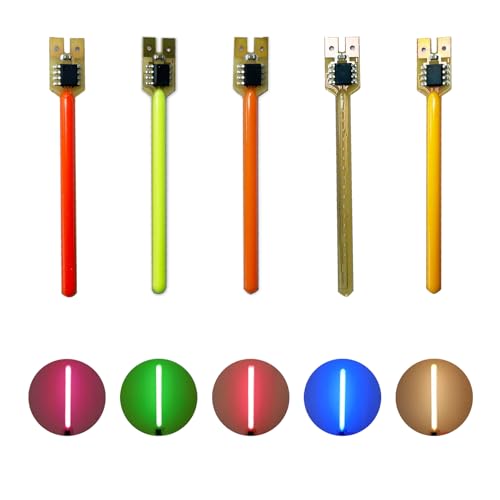
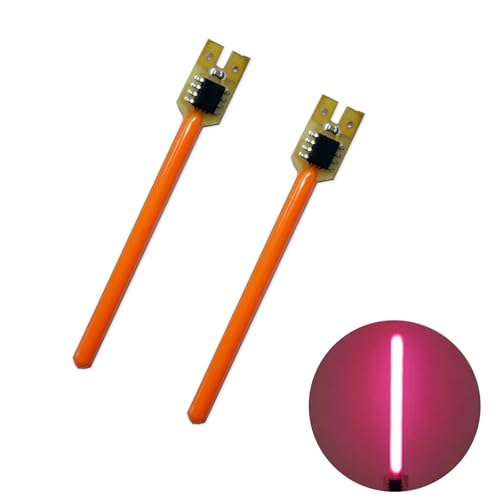

In a world increasingly dominated by screens, analog wellness tools are making a significant comeback. Here is a curated list of recommended analog products available on Amazon that can aid individuals in their journey toward mindfulness. These selections encompass functionality, aesthetic appeal, and the materials used, allowing consumers to make informed decisions about their wellness practices.
One of the standout items is the breathing beads. These simple yet effective tools are often made from natural materials such as wood or stone. Breathing beads typically consist of a string of beads that can be used during meditation or mindfulness exercises. As one moves their fingers along the beads, they can help maintain focus on their breath, making it easier to enter a state of relaxation. The tactile experience of handling the beads adds an element of physical engagement that screens cannot provide, enhancing the mindfulness experience.
An intriguing alternative is zenimals, which are often plush toys designed to promote relaxation and mindfulness in both adults and children. Available in various forms, resonating with a calming aesthetic, these toys serve not only as stress relievers but also as companions during meditation. Their soft material and comforting presence can foster a peaceful atmosphere, particularly when used in quiet spaces dedicated to wellness.
Another excellent option is the incense timer. Crafted from wood or ceramic, incense timers allow individuals to measure their meditation sessions accurately while also enhancing the ambiance with aromatic smoke. These timers can serve as a dual-purpose item, elevating the sensory experience and providing a visual element that contributes to mindfulness practices. The intricate designs available offer both functionality and artistic expression, making them a beautiful addition to any wellness space.
These products represent a small selection of the analog wellness tools available on Amazon that cater to different preferences and needs. By incorporating such items into daily routines, individuals may effectively counteract the effects of a screen-saturated lifestyle, promoting a more balanced approach to wellness and mindfulness.
Conclusion: Embracing Analog Wellness in a Digital Age
As we navigate through a screen-dominated world, the importance of mindfulness and self-care has become increasingly evident. Throughout this blog post, we have explored the various benefits of incorporating analog wellness tools into our daily lives. These tools, ranging from journals and meditation cushions to nature walks and breathing exercises, facilitate deeper connections with the self, provide sensory experiences, and serve as avenues for uninterrupted contemplation. They encourage us to take a pause from the incessant digital distractions, enabling a more profound engagement with our thoughts and feelings.
By embracing analog methods, individuals can cultivate mindfulness that is often compromised by the fast-paced nature of digital interactions. Engaging in activities that do not involve screens allows for the development of a more focused and serene state of mind. Moreover, analog wellness tools help capture moments of reflection and promote intentional living, which is essential for mental clarity and emotional balance.
In recognizing the adverse effects of excessive screen time, it is crucial to establish boundaries that prioritize our mental well-being. Integrating practices such as mindful journaling, outdoor activities, and breathing exercises into daily routines encourages a reconnection with our inner selves, fostering a sense of harmony and contentment. These sessions not only enhance mindfulness but also help individuals reclaim time that is often overrun by digital engagements.
Ultimately, the journey towards enhanced well-being is a personal one. By consciously choosing to include analog wellness tools as part of our lives, we can create a nurturing environment that emphasizes holistic health and mindfulness. Stepping back from screens, even briefly, holds the potential to revolutionize our approach to wellness. Thus, it is essential to invite these practices into our lives, supporting our journey towards a more mindful existence.