
Table of Contents
Introduction to Guided Meditation Formats
Guided meditation is a structured practice designed to help individuals achieve a state of relaxation and mindfulness. It typically involves a narrator or instructor leading the practitioner through a series of visualizations, breathing exercises, or body scans, fostering a deeper connection with their thoughts and emotions. The purpose of guided meditation is not only to reduce stress and anxiety but also to enhance overall well-being by promoting a sense of calm and self-awareness.
The benefits of engaging in guided meditation are numerous, ranging from improved mental clarity to enhanced emotional resilience. Regular practice can lead to reduced symptoms of anxiety and depression, better sleep quality, and greater self-acceptance. As a versatile tool for mindfulness, guided meditation can be practiced by anyone, irrespective of their experience level, making it an accessible form of mental health support.

In recent years, the popularity of guided meditation has surged, leading to the emergence of various formats that cater to different preferences and lifestyles. This comparative analysis focuses on three primary formats: app-based meditation services, audio-only devices, and traditional analog tools. App-based services, such as Headspace and Calm, offer a vast library of guided sessions, allowing users to customize their experience based on their needs. Conversely, audio-only devices provide a more immersive experience, where users can engage with guided meditations without the distractions of a smartphone.
Lastly, analog tools, like singing bowls and meditation journals, present a tactile approach to meditation, inviting practitioners to create a physical ritual around their experience. Each format presents its own unique characteristics and functionalities, making it essential to evaluate their strengths and limitations to find the most suitable method for individual needs. Through this exploration, readers will gain valuable insights into how guided meditation can be effectively incorporated into their daily lives.
App-Based Meditation: Convenience at Your Fingertips
The rise of technology has profoundly influenced various aspects of daily life, including mental wellness practices such as meditation. Among the myriad options available for meditation, app-based solutions like Headspace and Calm have gained significant traction. These applications provide users with the convenience of engaging in guided meditation sessions anytime and anywhere, revolutionizing the traditional approach to mindfulness.
One of the defining characteristics of these meditation apps is their user-friendly interfaces, which cater to both beginners and experienced practitioners. With straightforward navigation, users can quickly find different meditation styles that suit their needs, whether they seek stress relief, focused attention, or sleep enhancement. The versatility of these applications is another attractive feature, as they typically offer a wide range of guided sessions that can vary in duration, style, and thematic focus.
Accessibility plays a pivotal role in the popularity of app-based meditation. With smartphones being an integral part of contemporary life, users can conveniently initiate a meditation session from almost any location. This accessibility helps facilitate regular practice, which is essential for experiencing the full benefits of meditation. However, this convenience comes with potential drawbacks. Notifications from various applications can easily distract users, interrupting the meditation experience and reducing its effectiveness. This challenge highlights the importance of creating a dedicated space and time for meditation, regardless of the platform used.
Moreover, while the app-based format provides numerous advantages, it is crucial to remain mindful of the potential for over-reliance on digital devices during meditation. Balancing the ease offered by technology with traditional, analog meditation outlets might enhance overall meditation practices. Ultimately, as the popularity of these meditation applications continues to expand, their role in fostering a more mindful society becomes increasingly significant.
Audio-Only Devices: Cultivating Focus with Minimalism
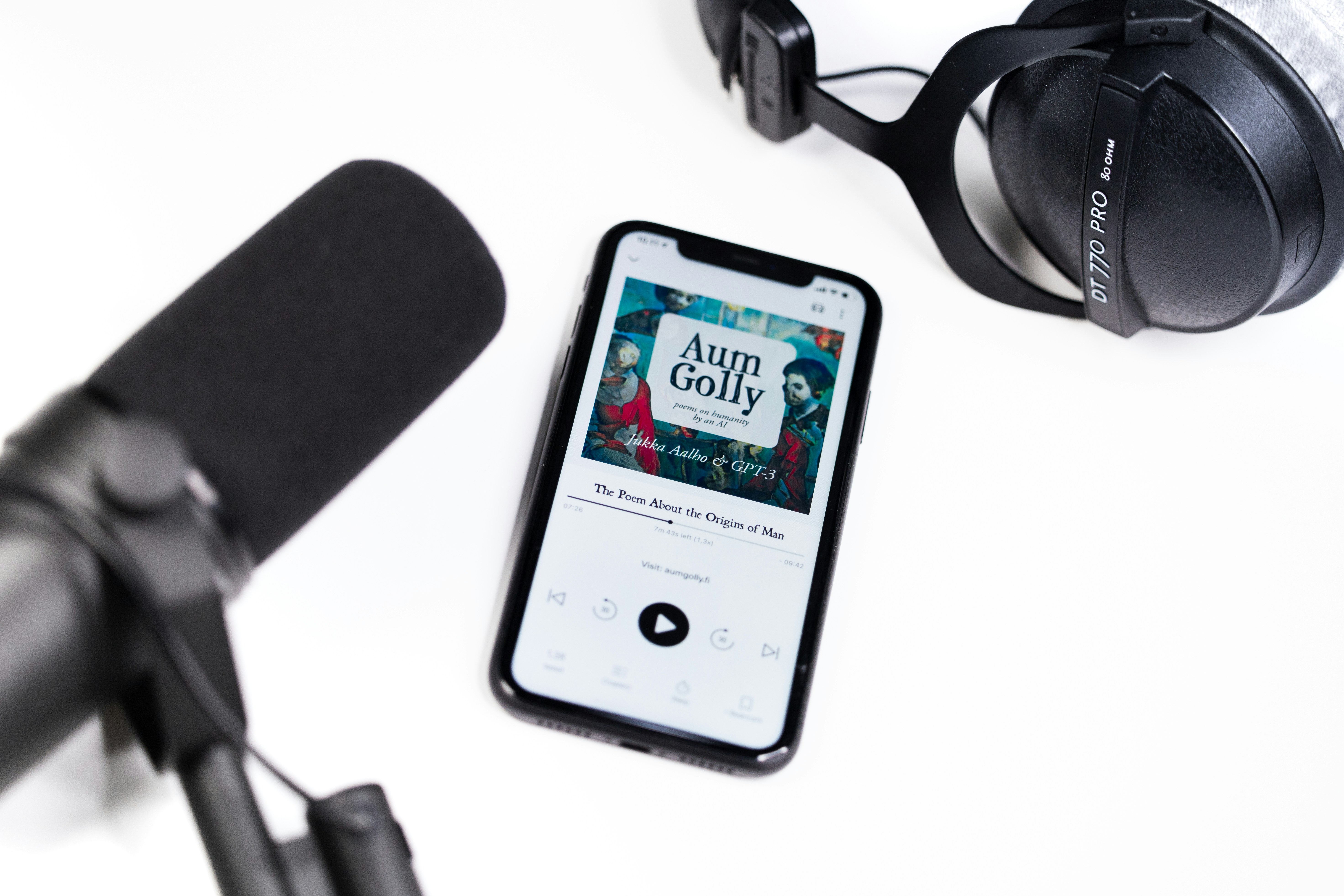
In recent years, audio-only meditation devices have gained popularity as effective tools for individuals seeking a more focused meditation experience. Devices like the Muse headband or dedicated guided audio players offer a more streamlined approach to meditation, eliminating potential distractions commonly associated with mobile applications. These audio-only solutions prioritize the auditory element of meditation, allowing users to dive deeper into their practice without the visual distractions found on smartphones or tablets.
One significant advantage of audio-only meditation devices is their simplicity. Users often find these tools easy to navigate, as they are designed with minimalistic interfaces that promote focus. For instance, a user can simply connect the device, select a session, and immerse themselves in a guided meditation. This straightforward approach can be particularly appealing to those who may find navigating meditation apps overwhelming or distracting. Furthermore, the absence of notifications and other digital interruptions creates a distraction-free environment conducive to mindfulness.
However, a notable drawback of audio-only devices is the limited variety of content available. Unlike meditation apps, which may offer numerous guided sessions, courses, and variations tailored to different needs, audio devices typically feature a more confined selection. This limitation could deter some users who seek diverse practices to maintain engagement over the long term. It is essential, therefore, for potential users to assess their preferences and consider how often they may desire new content.
Audio-only meditation devices are particularly well-suited for those seeking to establish a consistent daily practice in quiet environments, such as during commutes, at work, or at home when distractions are minimal. Ultimately, the effectiveness of these devices depends on the individual’s needs and how well they align with their meditation goals.


Analog Tools: The Timeless Appeal of Singing Bowls
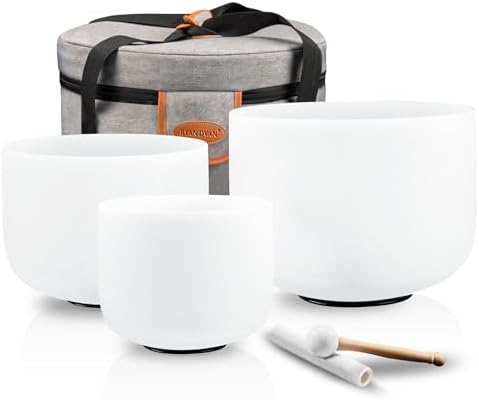
In recent years, the resurgence of interest in analog meditation tools, particularly singing bowls, has gained considerable attention. These instruments, traditionally made of metal or crystal, produce a rich and resonant sound when struck or circled with a mallet. The auditory experience of singing bowls is known to facilitate relaxation and enhance mindfulness, drawing users into a deeper state of meditation. This intrinsic connection between sound, vibration, and the meditative practice offers a unique tactile experience that digital formats may struggle to replicate.
The history of singing bowls can be traced back thousands of years to various cultures in Asia, where they were often used in spiritual ceremonies and healing practices. This rich historical context adds to their appeal, as practitioners of meditation often seek to engage with methods steeped in tradition. The act of physically handling these bowls—for instance, placing them on the body during meditation—ensures a sensory engagement that complements the auditory stimulation they provide. Unlike meditation apps or digital devices, singing bowls create an immediate and tangible connection to the practice itself.
While singing bowls offer numerous benefits, they also present certain challenges when compared to modern digital tools. One key advantage of using a singing bowl is the immersive experience it provides; however, it requires users to be physically present and engaged, which may not be as convenient as utilizing smartphone applications or audio devices. Furthermore, the learning curve for effectively using a singing bowl can be steep, as producing the desired tone often requires practice. Conversely, digital formats grant users access to vast libraries of guided meditations and customizable experiences, making them more straightforward and accessible for beginners.
Ultimately, the decision between analog tools like singing bowls and digital meditation formats depends on individual preferences and meditation goals. For those who appreciate a holistic and multi-sensory approach, the timeless appeal of singing bowls may resonate deeply, creating a fulfilling meditative practice.
Comparative Analysis: Pros and Cons of Each Format
Guided meditation has gained popularity over the years, leading to the development of various formats, including mobile apps, audio devices, and analog tools. Each format possesses unique attributes that cater to diverse user preferences, creating advantages and drawbacks worth examining.
Starting with mobile apps, they offer unparalleled accessibility, allowing users to meditate anywhere and at any time. The variety of available options enables customization of sessions according to personal preferences, including length, theme, and focus. Additionally, many apps feature user-friendly interfaces and community support, enhancing engagement. However, reliance on a smartphone can be distracting, posing a challenge for users seeking a more immersive meditation experience. Furthermore, while most apps provide free content, many require subscriptions or in-app purchases for premium features, which may affect affordability for some individuals.
On the other hand, audio devices, such as guided meditation speakers or specialized headsets, provide a more focused auditory experience. These devices often deliver high-quality sound and allow users to detach from their smartphones, reducing distractions. The controlled environment provided by audio devices can lead to deeper meditative states. Nevertheless, the initial cost of purchasing these gadgets can be prohibitive for some users, and they may lack the variety available in apps.
Analog tools, such as books and printed materials, offer a tactile experience that encourages mindfulness and a deeper connection to the practice of meditation. These tools allow users to engage in meditation without technology, fostering a sense of presence. However, the lack of guided support may not appeal to all, and the written instructions may be less engaging than auditory formats. Furthermore, the effectiveness of analog methods can vary significantly based on the individual’s ability to self-guide.
Ultimately, the choice between mobile apps, audio devices, and analog tools depends on personal preferences, budget constraints, and desired levels of engagement. By understanding the pros and cons of each format, individuals can select the most suitable option for their guided meditation practice.
Best Use Cases for Each Format
Guided meditation can enhance mental well-being and promote relaxation, but the effectiveness often depends on the format utilized. Each format—be it apps, audio devices, or analog tools—offers unique advantages tailored to different scenarios. Understanding these distinctions can aid individuals in selecting the most suitable guided meditation format for their specific needs.
When traveling, meditation apps are particularly advantageous. They are portable and typically contain a vast library of meditations that can be accessed offline once downloaded. This convenience allows individuals to maintain their meditation practice irrespective of their environment, making it easier to find calm amidst the chaos of travel-related stress. Furthermore, apps often incorporate quick-guided sessions, ideal for those short on time.
In situations where immediate stress relief is necessary, audio devices excel. High-quality headphones or dedicated devices can create an immersive sound experience that effectively blocks external distractions, allowing users to focus entirely on the guided meditation. This format is especially beneficial in a busy office or a noisy home environment where external stimuli might hinder the meditation experience.
On the other hand, analog tools, such as guided meditation books or printed scripts, can serve a specific demographic seeking a more hands-on experience. These formats are particularly useful during group sessions, such as workshops or classes, where physical presence and interaction can enhance the communal meditative experience. The tactile nature of analog tools also allows for a deeper engagement, providing users with the opportunity to reflect on, annotate, or revisit texts at their leisure.
Ultimately, the choice of guided meditation format should align with the context in which it will be utilized. Whether traveling, needing instant relief, or engaging in shared experiences, each format has its merits, ensuring that everyone can find a suitable method for enhancing their meditation practice.
Personal Experiences with Guided Meditation Formats
Individuals often embark on a journey of self-discovery and mental wellness through guided meditation. The choice of format can significantly influence the effectiveness and enjoyment of the experience. Many users have shared their personal stories illustrating how different formats of guided meditation—whether through apps, audio devices, or analog tools—have impacted their practices and overall well-being.
For example, Sarah, a busy professional, began her mindfulness journey with a meditation app that catered to her personal schedule. She notes, “Having guided sessions readily available on my phone allows me to practice meditation anywhere, at any time. Whether during my lunch break at work or just before bed, I can easily access various meditations that address my specific needs.” This convenience highlights how mobile apps can integrate mindfulness into daily routines, helping users stay committed to their practice.
On the other hand, James, who sought a more tactile approach, found solace in physical analog tools such as guided journals and meditation cards. He reflects, “Using a journal to track my meditation experiences helps me reflect deeply on my progress. The act of writing helps solidify insights, making my practice richer and more meaningful.” His story illustrates how analog meditation tools can enhance personal engagement and self-reflection during the meditative process.
Lastly, Lisa, who enjoys immersive personal experiences, opted for audio devices designed for meditation. She explains, “The quality sound and immersive tones created a serene environment that transforms my meditation practice. I feel more connected to the guidance and find it easier to enter a calm state.” This testimony emphasizes the importance of audio quality in meditation sessions, demonstrating how devices can foster a deeper connection with the practice.
These stories underscore the diverse impacts of various guided meditation formats on practitioners, showcasing how personalization greatly enhances the meditation experience and contributes to improved mental health and overall well-being.
Choosing the Right Format for Your Needs
Selecting the appropriate format for guided meditation is pivotal in establishing a successful practice. Individuals may vary widely in their preferences, lifestyles, and goals, which can greatly influence the effectiveness of their meditation routine. To make an informed decision, it is essential to assess specific needs and circumstances.
The first step is to evaluate the frequency of use. For those who plan to meditate daily, an app may provide the convenience required for integration into a busy schedule. Many meditation apps offer customizable features, reminders, and a wide range of guided sessions that cater to various preferences, making them ideal for individuals seeking versatility. Conversely, for those who prefer longer, less frequent sessions, audio devices or analog tools such as printed meditation guides may suffice.
Comfort with technology is another crucial factor to consider. Not everyone is inclined to embrace digital solutions; some may find distraction in mobile devices or lack familiarity with app interfaces. In such cases, choosing a tangible format, like CDs or listening to guided meditations on a trusted device, may foster a more immersive experience. Additionally, analog tools, such as journals, can facilitate mindfulness practice away from screens, allowing for deeper self-reflection.
Finally, personal meditation goals should guide the choice of format. If the objective is to reduce stress or enhance relaxation, shorter and more varied sessions might be suitable, making an app or audio resource preferable. However, if a deeper spiritual journey or mindfulness cultivation is desired, analog methods that encourage consistency and focus may prove beneficial.
By assessing frequency of use, comfort with technology, and individual meditation goals, individuals can thoughtfully select a guided meditation format that best aligns with their needs, ensuring a productive and fulfilling practice.
Conclusion: Finding Your Path in Meditation
As we have explored throughout this analysis, guided meditation formats—ranging from mobile applications and audio devices to traditional analog tools—each present unique benefits that cater to various preferences and lifestyles. Throughout our examination, it has become clear that there is no universal solution when it comes to meditation. Instead, individuals must consider their personal needs and circumstances to identify the most suitable format for their practice.
For instance, mobile applications offer convenience and a wide array of resources, ideal for those who wish to incorporate meditation seamlessly into their busy lives. They provide users with instant access to guided sessions designed for a myriad of purposes, from anxiety reduction to enhancing concentration. Alternatively, audio devices, such as meditation-specific speakers or sound machines, may appeal to individuals seeking a more immersive auditory experience. These devices can create an optimal environment for relaxation, allowing practitioners to focus deeply without distractions.
Lastly, the reliance on analog tools, such as printed guides or meditation journals, may hold particular significance for those who appreciate a tangible connection to their practice. Such methods can enhance mindfulness, enabling practitioners to reflect personally on their experiences. Ultimately, the choice of meditation format comes down to personal preference and individual situational factors.
Encouraging exploration and experimentation can lead to profound discoveries within one’s meditation journey. As the landscape of meditation tools continues to evolve, remaining open to new formats and approaches can enrich one’s practice. By finding a path that resonates with the individual, meditation can become a valuable tool for personal growth and well-being.