

Table of Contents
Introduction to Tactile Meditation

The modern digital landscape is increasingly characterized by the omnipresence of screens and constant connectivity, leading to heightened levels of mental fatigue. As individuals spend more time engaging with various electronic devices, the need for a mindful retreat becomes essential. This is where the concept of tactile meditation emerges, providing a necessary counterbalance to the overwhelming influence of technology in our daily lives.
Tactile meditation refers to mindfulness practices that incorporate physical objects to facilitate grounding and presence. These practices emphasize the importance of disconnecting from digital distractions and fostering a deeper connection with one’s body and immediate environment. By engaging with tangible materials, practitioners can channel their awareness into the present moment, thus enhancing their overall meditation experience.
Through the use of tactile meditation tools, individuals can cultivate a sensory-rich environment that promotes relaxation and focus. This opens the door to exploring various forms of meditation, enabling the user to engage in a more profound manner that is often lost when using screens. Furthermore, tactile meditation supports emotional regulation and reduces anxiety, which can often result from excessive screen time.
The rising fatigue associated with prolonged exposure to digital devices has led to growing interest in mindfulness practices that offer a respite from technology. As a result, many are turning to tactile meditation gear to not only enhance their meditation routines but also to redefine their relationship with technology. By engaging with physical objects, practitioners can create an immersive experience that encourages a holistic approach to mindfulness. This blog post will explore these non-digital meditation tools that can aid individuals on their journey to grounding their minds amidst the chaos of a digital world.
The Need for Analog: Why Ditch the Screens?
In an age dominated by screens and digital interfaces, the importance of retreating into the realm of analog experiences is becoming increasingly evident. Many individuals find themselves overwhelmed by the relentless notifications and distractions presented by technology. This omnipresence of digital devices not only leads to cognitive overload but can also create barriers to achieving a mindful state. Analog meditation tools, on the other hand, offer a welcome reprieve from these distractions, allowing individuals to immerse themselves fully in their meditation practices.
Tactile meditation gear, such as prayer beads, singing bowls, or natural crystals, engages the senses in a way that digital applications simply cannot replicate. Such experiences encourage a deeper connection with self and surroundings. The act of physically holding an object or manipulating a material provides a grounding sensation that can enhance focus and presence during meditation. For many practitioners, these tangible items serve as anchors, helping them to remain centered and aware in the moment.
Moreover, studies have shown that tactile experiences can elicit calming effects that counteract stress and anxiety. The texture of an object, the weight of a meditation stone, or the sound produced by a singing bowl can stimulate sensory pathways in the brain that promote relaxation. This sensory engagement fosters a greater emotional connection to the meditation practice itself, allowing individuals to explore their thoughts and feelings without the noise of external stimuli.
By employing analog meditation gear, individuals not only reclaim their focus but also cultivate a mindful approach that encourages introspection. These tools facilitate a deeper exploration of one’s inner landscape and contribute to overall mental well-being. In our increasingly digital world, choosing to disconnect from screens and embrace the simplicity of tactile meditation may hold the key to achieving a more balanced and serene state of mind.
Singing Bowls: A Tool for Resonance and Focus
Singing bowls, often crafted from a blend of metals, have been utilized for centuries across various cultures, particularly in Tibetan and Himalayan traditions. These unique instruments produce a rich, resonant sound when struck or circled with a mallet, making them an invaluable tool for meditation and mindfulness practices. Their historical usage has been primarily linked to spiritual rituals and sound healing practices, yet their applications have transcended into modern mindfulness techniques, gaining popularity among practitioners worldwide.
The sound produced by singing bowls is recognized for its ability to foster deep relaxation, which is essential for effective meditation. This sound, characterized by its harmonic overtones, can influence brainwave patterns, leading to states of tranquility and enhancing one’s capacity to focus. Moreover, practitioners have reported benefits such as reduced stress, increased emotional well-being, and improvement in bodily awareness through the positive effects of sound vibrations. Such qualities make singing bowls a potent ally in achieving a grounded state of mind.
For those new to meditation, beginner-friendly bowls that are smaller and have a more accessible tone might be ideal. These bowls are often easier to handle and produce a softer sound, which can help ease novices into the practice. For advanced practitioners, larger bowls that yield deeper, more complex sounds are recommended, as they can create a more immersive auditory experience. The choice of bowl ultimately depends on individual preferences; however, exploring different types can enhance the overall meditation experience and foster greater levels of mindfulness.
In conclusion, singing bowls represent more than mere instruments; they embody a holistic approach to meditation through sound. Their ability to promote resonance and focus aids practitioners of all levels in cultivating deeper states of relaxation and mindfulness.


Incense Timers: Enhancing Your Scented Journey
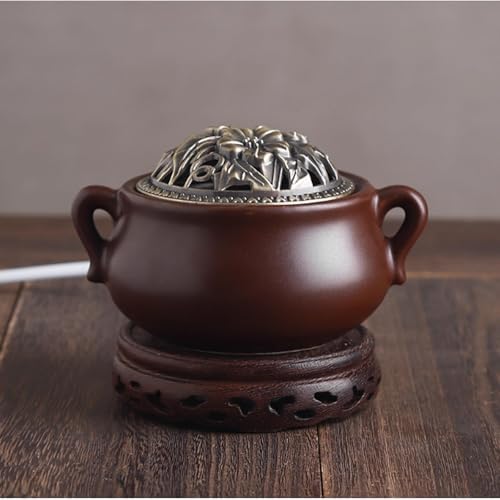
In the evolving landscape of meditation, incense has emerged as a powerful tool for enhancing the experience. The use of incense timers serves to transform the meditative environment into a more intentional space, allowing practitioners to align their scented journey with specific meditation times. These timers not only ensure that the incense burns for a predetermined period but also provide an opportunity to experience various scents that can significantly influence mood and mental clarity.
Different scents have been shown to evoke diverse emotional responses. For instance, lavender is widely recognized for its calming properties, making it an ideal choice for those seeking relaxation. On the other hand, citrus scents, such as orange or lemon, can invigorate the mind and promote focus. Understanding these scent profiles can aid individuals in selecting the appropriate incense to suit their meditation goals. For beginners, it is advisable to experiment with various scents to discover personal preferences and their respective effects on the meditative state.
To utilize incense effectively in meditation, one should first establish an intentional time for practice. Setting the incense timer to align with the designated meditation duration can help in maintaining focus. It allows practitioners to immerse themselves in the aroma without the distraction of clock-watching. Once the incense is lit and the timer activated, engage in mindful breathing to synchronize with the scent. This practice creates a profound sensory experience, encouraging deeper connection during meditation.
For scent enthusiasts, investing in a range of incense can open up new avenues for exploration. It is essential to consider quality when selecting incense to ensure a clean burn and a pleasant aroma. By integrating an incense timer into the meditation routine, practitioners can cultivate a rich and immersive atmosphere that enhances their overall journey into mindfulness.
Breathing Beads: A Sensory Connection
Breathing beads, also known as meditation beads or mala beads, serve as tangible tools for enhancing the practice of mindful breathing. These beads can aid individuals in regulating their breath while cultivating a steady, rhythmic pattern during meditation. Traditionally composed of materials like wood, gemstones, or seeds, breathing beads can engage the senses and help users find a deeper connection to their practice. By enabling a physical interaction, these beads promote mindfulness and serve as anchors to keep practitioners present in the moment.
To effectively utilize breathing beads, one can adopt a simple method known as “counting breaths.” Typically, a strand consists of 108 beads, though smaller versions with fewer beads are also available. To start, grasp one bead between your fingers and take a deep breath in through your nose while focusing on the sensation of the bead. As you exhale, move to the next bead in the sequence. This process can be repeated until you reach the end of the strand, aligning each bead with a breath cycle. This tactile engagement not only supports breath regulation but also aids in maintaining concentration and discourages distractions.
The benefits of incorporating breathing beads into meditation practices extend beyond just breath control. Engaging with these beads can ground practitioners, providing a sensory connection that draws their attention away from the fast-paced digital distractions prevalent in our daily lives. For beginners, breathing beads offer a straightforward tool to foster consistency and focus, while seasoned meditators may find enhanced sensory experiences or even deeper states of meditation. Overall, these tactile tools bridge the physical and mental realms, reminding users of the importance of presence and connection in a world often dominated by technology.
Acupressure Mats: Pressure Point Relief and Relaxation
Acupressure mats have gained significant popularity in recent years as a tool for promoting relaxation and mindfulness. They are designed to stimulate pressure points throughout the body, mimicking the effects of traditional acupressure therapy. These mats consist of a foam base covered with numerous small spikes, which, when applied to the body, apply gentle pressure to various acupressure points. This process can lead to a profound sense of relaxation and well-being.
The benefits of using acupressure mats are multifaceted. For many users, they provide immediate relief from tension and discomfort. Regular use can enhance overall relaxation and help reduce stress levels, making them an excellent addition to any meditation practice. Improved circulation is another advantage, as the stimulation of pressure points encourages blood flow, which can promote feelings of vitality. Additionally, many report that using an acupressure mat enhances mindfulness, fostering a deeper meditation experience as users focus on their breath and bodily sensations while lying on the mat.
Feedback from both novice and experienced meditators highlights the accessibility and effectiveness of acupressure mats. Beginners often find the mats helpful in easing into mindfulness practices, as the physical sensations they provide can anchor one’s awareness, making it easier to stay present. Experienced practitioners, on the other hand, frequently integrate acupressure mats into their routines as a supplemental tool for managing physical discomfort and tension, further enriching their meditation practice. Ultimately, the versatility of these mats serves to bridge the gap between physical relief and mental clarity, underscoring their role in the evolving landscape of tactile meditation gear.
Choosing the Right Gear for Your Meditation Journey
Selecting the appropriate tactile meditation gear is a crucial step in enhancing one’s meditation practice. Due to the unique nature of meditation, individuals should consider several factors when choosing tools that resonate with their personal preferences and specific needs. First, it is essential to evaluate one’s lifestyle. For instance, individuals with busy schedules might prefer portable and lightweight gear that can easily fit into a bag, allowing for meditation on the go. In contrast, those who meditate at home could opt for larger tools that create a designated meditation space.
Moreover, understanding one’s meditation goals is vital. Are you focusing on mindfulness, stress reduction, or deeper self-exploration? Different tactile gear may be better suited to your objectives. For example, if the intention is to deepen your mindfulness practice, using textured mats or cushions that stimulate touch can enhance sensory awareness. This deeper immersion can significantly support achieving meditation outcomes.
Sensory sensitivities should also be taken into account. Some individuals may find certain textures comforting, while others might prefer smoother surfaces. It’s crucial to explore tactile options and engage with various materials to identify what feels best. Engaging with gear that complements one’s sensory profile can lead to a more effective meditation experience, fostering a comfortable environment to unwind.
In addition, it can be beneficial to research products, read reviews, and assess the quality of the materials used prior to making a purchase. This process will enhance the likelihood of obtaining durable and suitable tactile meditation gear. Thus, approaching the selection process with intention will ensure that each individual finds tools that genuinely enhance their mindfulness journey while aligning with their unique preferences and requirements.
Creating Your Mindfulness Space
Establishing a dedicated mindfulness space is essential for enhancing your meditation practice. By carefully curating your environment, you can foster a tranquil atmosphere that encourages deeper concentration and relaxation. Here are several considerations to help you create an inviting meditation zone.
Firstly, focus on lighting. Natural light can significantly influence your mood and overall experience. Whenever possible, choose a space with ample window exposure, allowing sunlight to fill the room. If natural light is limited, consider using soft, warm artificial lights or candles to create a calming glow. Avoid fluorescent lights, as their harshness may detract from the peaceful ambiance you wish to achieve.
Sound is another vital element in setting up your mindfulness area. It is advisable to engage with natural sounds, such as chirping birds or the gentle rustle of leaves, which can be soothing. For those who find silence unsettling, soft instrumental music or nature soundtracks can create a serene backdrop to your meditation practice. Many practitioners benefit from sound machines that can mimic these ambient noises, ensuring a consistent auditory experience.
Aromatherapy can also play a key role in establishing your meditation environment. Essential oils such as lavender, chamomile, or sandalwood can facilitate relaxation and focus. Using a diffuser or scented candles can introduce subtle fragrances that promote mindfulness. Explore different scents to find what resonates best with you, as this can encourage a deeper connection to your practice.
Finally, consider the tactile elements of your meditation space. Incorporating cushions, mats, or soft fabrics can enhance comfort during your sessions, allowing for prolonged periods of meditation without discomfort. Ultimately, by consciously selecting your lighting, sound, scent, and tactile components, you will create a personalized haven conducive to deep mindfulness and meditation.
Conclusion: Embracing a Screen-Free Meditation Practice
In today’s increasingly digital world, the need for mindful engagement with our surroundings is critical. The rise of tactile meditation gear reflects a growing awareness of the importance of disconnecting from screens and embracing a more sensory-based practice. This evolution allows individuals to immerse themselves fully in the present moment, offering a richer experience of mindfulness that cannot be achieved through digital means.
The integration of tactile tools, such as textured mats, weighted blankets, and sensory stones, fosters a deeper connection to the body and the environment. These items not only enhance awareness but also encourage a more profound sense of grounding and tranquility. By utilizing such tools, individuals can cultivate a meditation practice that prioritizes physical sensations over digital stimuli, ultimately leading to improved mental clarity and emotional well-being.
Moreover, as highlighted throughout this blog post, the physicality of these meditation aids can significantly enhance the meditation experience. By engaging with tactile elements, practitioners can find comfort and depth in their meditation sessions, making it easier to transition into a state of tranquility. Through these practices, one can develop a routine that nurtures mindfulness without the distractions often associated with technology.
In conclusion, integrating tactile meditation gear into your practice presents an opportunity to reconnect with oneself in an authentic and meaningful way. As we navigate our lives in a technology-driven society, fostering a screen-free meditation routine is essential. We encourage readers to explore and experiment with the various tactile tools discussed, embarking on their own journey towards a more present and grounded meditation experience, free from the incessant pull of the digital world.