

Table of Contents
Introduction to Wellness Technology
Wellness technology has emerged as a pivotal component of contemporary health management, integrating advancements in digital tools and devices that aid individuals in monitoring and improving their health. Over the last decade, the growth of wellness tech has transformed the way we approach personal health, integrating aspects of fitness, mental well-being, and overall lifestyle management into our daily routines. Initially characterized by basic functionality, such as step counters and calorie tracking, wellness technology has seen remarkable evolution, introducing more sophisticated devices that cater to diverse health needs.
The significance of wellness technology in modern society cannot be overstated. With a rising awareness of the importance of personal health and well-being, individuals are increasingly seeking innovative solutions to monitor their physical and mental states. Wearable devices such as fitness trackers, smartwatches, and health-monitoring apps have gained immense popularity, encouraging users to adopt healthier habits through real-time data insights. This trend highlights a shift towards proactive health management, where individuals are taking active roles in monitoring their wellness rather than relying solely on conventional healthcare systems.
Moreover, wellness technology extends beyond mere physical fitness. Recent advancements have led to the development of neuro-responsive wearables that track and analyze mental health indicators, containing features geared toward mindfulness and stress management. Such innovations signify a holistic approach to wellness, acknowledging the intricate relationship between mental and physical health. As we delve deeper into the evolution of wellness technology throughout this blog post, we will explore how these tools not only empower individuals but also contribute to a broader cultural shift towards prioritizing health and well-being in an increasingly fast-paced world.
Early Innovations: The Rise of Basic Tracking Devices
The emergence of basic tracking devices marks a significant milestone in the progression of wellness technology. In the early 2000s, as personal health and fitness began to garner increased attention, devices such as pedometers gained popularity as simple tools for counting steps. These early innovations laid the groundwork for a more sophisticated understanding of personal health management and established the necessity for monitoring daily physical activity.
Among the pioneers in this field was the Fitbit, introduced in 2009. This device integrated basic functionality such as step tracking, distance traveled, and calories burned, providing users with tangible metrics to evaluate their physical activity. By syncing wirelessly with smartphones, early fitness trackers like the Fitbit fostered a more engaged user experience and encouraged individuals to pursue their fitness goals. The convenience of instant feedback allowed users to make informed decisions about their health behaviors.

While these tracking devices offered numerous advantages, they also came with notable limitations. The accuracy of monitoring varied widely, particularly with step counts, which could be influenced by factors such as carrying the device in different environments or engaging in non-walking activities. Furthermore, early devices lacked the sophisticated features seen in modern wellness technology, such as heart rate monitoring, sleep tracking, and real-time health analytics, which have since revolutionized personal health management.
Despite these limitations, the introduction of basic tracking devices played a crucial role in popularizing the concept of wellness technology. They not only encouraged active lifestyles but also paved the way for a deeper integration of technology into health. Future innovations became possible by learning from the functionalities of early devices, leading to the development of more comprehensive health tracking solutions as technology advanced.
The Advent of Smart Wearables: A Technological Leap
The introduction of smart wearables signifies a remarkable advancement in the realm of health and fitness technology. Devices such as the Apple Watch have revolutionized the way individuals monitor their health, offering a wide array of functionalities that extend far beyond basic step counting. Unlike their predecessors, which primarily focused on pedometers and basic activity tracking, modern smart wearables are equipped with sophisticated sensors and algorithms that facilitate comprehensive health assessments.
For instance, contemporary smart watches are adept at monitoring heart rates, tracking sleep patterns, and even providing insights into one’s stress levels. This multifaceted approach enables users to obtain a more complete overview of their physical well-being. Moreover, the integration of mobile applications has enhanced the utility of these devices, allowing users to set fitness goals, receive personalized coaching, and analyze their progress over time. This interconnectedness encourages a proactive approach to wellness.
Furthermore, the role of smart wearables in promoting a healthy lifestyle cannot be overstated. With features such as reminders to stand, move, or breathe, these devices foster mindfulness and help to cultivate healthier habits. The capability to seamlessly sync with smartphones ensures that users remain motivated by keeping their health data accessible and actionable. In contrast to earlier models, which offered limited features and often required manual input to track progress, today’s smart wearables create an intuitive experience that empowers users to take charge of their health.
Overall, the evolution of smart wearables from simple tracking devices to comprehensive health monitors illustrates the tremendous technological leap in this domain. As these gadgets continue to evolve, they will undoubtedly play an increasingly significant role in shaping the future of wellness technology and overall health management.
Cutting-Edge Innovations: Neuro-Responsive Wearables and Biofeedback
The realm of wellness technology has advanced significantly, with neuro-responsive wearables emerging as one of the most transformative innovations. Devices such as the Muse headband have revolutionized the approach to mental well-being by enabling users to engage in meditation and mindfulness practices with real-time feedback. These wearables utilize electroencephalography (EEG) to monitor brain activity, providing users with valuable insights into their mental states. By translating complex brain patterns into audio cues, Muse headbands enhance meditation experiences, making it easier for users to achieve a state of relaxation and focus.
Moreover, the development of e-tattoo brain sensors represents a formidable leap in wellness technology. These lightweight and flexible devices adhere to the skin, allowing for continuous monitoring of neurological activity. Unlike traditional wearables that primarily track physical health metrics, neuro-responsive e-tattoo sensors capture brain signals with high accuracy and minimal discomfort. This distinct advantage enables a broader spectrum of applications, ranging from performance optimization in athletes to supporting therapeutic interventions in mental health.
In addition to neuro-responsive wearables, the concept of biofeedback offers an alternative approach to wellness. Biofeedback devices provide users with real-time data on physiological functions such as heart rate, muscle tension, and skin temperature, facilitating self-regulation and awareness of bodily responses. This method empowers individuals to make conscious adjustments to their behavior, ultimately fostering improved mental and physical well-being. By integrating these advancements into daily routines, users can gain a deeper understanding of their bodies and minds, reclaiming their health in increasingly personalized ways.
Overall, the intersection of neuro-responsive wearables and biofeedback technologies not only enhances personal health management but also represents a shift in the wellness landscape, showcasing a more nuanced comprehension of human biology and behavior.
The Analog Revival: Embracing Non-Digital Wellness Tools
In recent years, there has been a noticeable shift towards embracing analog wellness practices, contrasting prominently with the digital wellness technology that has long dominated the market. Many individuals are now recognizing the value of non-digital tools such as journaling, grounding mats, and sensory tools, which invite a more mindful and tangible approach to health and well-being. This trend reflects a philosophical movement that prioritizes human connection, sensory experiences, and introspection over the incessant notifications and data-driven insights characteristic of digital devices.
One of the primary reasons behind this revival is the growing desire for simplicity in an increasingly complex world. Digital wellness gadgets, while innovative, often lead to information overload and heightened anxiety for some users. By utilizing analog tools, individuals can cultivate a sense of calm and clarity. Journaling, for example, allows for self-reflection and emotional processing without the distractions of the digital landscape. This practice fosters creativity and self-discovery, aiding users in articulating their thoughts and feelings. Similarly, grounding mats provide a direct connection to the Earth, promoting relaxation and reducing stress levels through the simple act of connecting with nature.
The emotional and psychological benefits of non-digital wellness practices cannot be understated. Many individuals report feelings of tranquility and grounding when engaging with analog tools. These practices often inspire mindful moments, enhancing one’s overall emotional resilience. Moreover, the tactile nature of analog tools taps into our sensory experiences, contributing to a more profound, holistic understanding of wellness. As a counterbalance to the high-tech world that goes in tandem with modern life, analog wellness tools serve not only as effective stress-relievers but also as essential reminders of the importance of simplicity and authenticity in our daily self-care routines.
Comparative Analysis: Digital vs. Analog Wellness Approaches
The evolving landscape of wellness technology often presents users with two distinct approaches: digital and analog. Each approach has its own set of advantages and disadvantages, influencing user engagement and overall effectiveness in achieving wellness goals.
Digital wellness approaches encompass a wide range of products and applications, including fitness trackers, smartphone apps, and online platforms that promote health monitoring and improvement. One of the primary benefits of digital wellness technology is convenience. Users have instant access to health data and resources at their fingertips, allowing for real-time tracking of various health metrics. This instantaneous feedback can enhance motivation and encourage proactive behavioral changes. Furthermore, many digital solutions provide personalized insights, adapting to individual user needs, which can foster a stronger commitment to maintaining wellness routines.
However, there are drawbacks associated with digital approaches. Privacy concerns surrounding personal data collection and storage are significant. Additionally, the reliance on technology can lead to an overwhelming amount of information, potentially creating confusion or anxiety for users. Not everyone is comfortable navigating digital interfaces, which may limit engagement among less tech-savvy individuals.
In contrast, analog wellness approaches, such as journals, guided meditation, and traditional fitness methodologies, offer users a more tactile experience. These methods require minimal technology, appealing to those who prefer a more hands-on or holistic approach to wellness. The simplicity of analog methods can reduce distractions and foster mindfulness. Additionally, they often emphasize human connection, such as group classes or workshops, which can enhance accountability and support networks.
However, analog approaches may lack the immediate feedback and personalized data that digital technologies provide. Users may find it challenging to monitor their progress accurately without a quantified method, potentially hindering their motivation. Ultimately, the choice between digital and analog wellness approaches rests on individual preferences, lifestyle, and wellness goals. Each method carries its unique benefits, which can be effectively integrated into a broader wellness strategy.
Personalizing Your Wellness Journey: Finding Your Fit
Personalization is a critical component of modern wellness, allowing individuals to tailor their health journeys according to unique habits, preferences, and goals. As the landscape of wellness technology continues to expand, blending both digital tools and traditional methods has become increasingly feasible and beneficial. To start personalizing your wellness journey, it is essential to perform a self-assessment that identifies your current health habits, preferences, and areas you wish to improve.
Begin by evaluating your daily routines. What activities do you currently engage in? How often do you exercise, and what types of workouts do you enjoy? Understanding these aspects can help you choose wellness tech that aligns with your lifestyle. For instance, if you dislike running, a step counter might not be as motivating as a cycling or swimming tracker. Thus, finding a digital tool that resonates with your interests can enhance your commitment to a healthier lifestyle.
Next, consider your health goals. Whether you aim to manage a specific condition, lose weight, or simply enhance your overall wellbeing, defining clear objectives allows for a more guided approach. Technology such as fitness apps, meal planners, and meditation aids can be integrated into your routine, but remember that analog techniques like journaling or engaging in group activities can also play significant roles in achieving these goals.
To effectively integrate both digital and analog methods, start small. Choose one or two wellness tech products to incorporate into your daily life, alongside established practices like walking or yoga. Over time, assess your progress and motivations, adjusting your chosen methods as necessary. Ultimately, a harmonious blend of digital and analog wellness approaches provides a comprehensive framework that enhances not only physical health but also mental and emotional wellbeing.


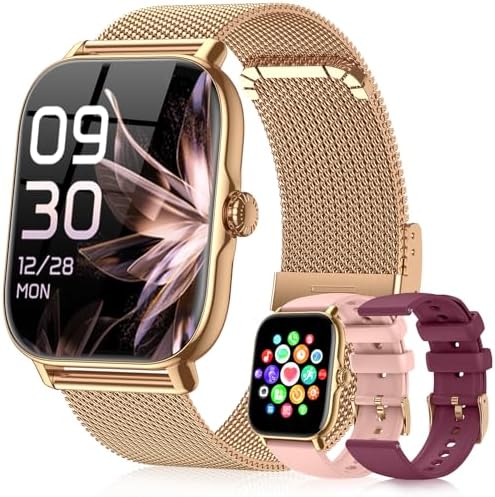
Affiliate Picks: Recommended Products for Digital and Analog Wellness
As technology continues to evolve, individuals seeking to enhance their personal wellness can benefit greatly from both digital and analog tools. Below, we present a curated selection of wellness products that are effective for promoting a healthier lifestyle. Each of these recommendations combines functionality with ease of use, allowing users to monitor and improve their well-being seamlessly.
1. Fitbit Charge 5: As one of the leading digital wellness products, the Fitbit Charge 5 offers advanced features like heart rate monitoring, sleep tracking, and built-in GPS. This fitness tracker encourages users to stay active by providing reminders and insights into their daily activity levels. With its sleek design and comprehensive app integration, it is an ideal choice for individuals aiming to keep track of their health metrics in real-time.
2. Oura Ring: The Oura Ring is a unique fusion of technology and wearables. This smart ring monitors sleep quality, readiness, and activity levels. Its discreet design appeals to those who prefer not to wear a traditional smartwatch. By analyzing data on body temperature and heart rate variability, Oura assists users in making informed decisions about their wellness journey.
3. TheraGun Elite: For those looking to enhance their wellness routine through physical recovery, the TheraGun Elite is a top pick. This percussive massage device is designed to alleviate muscle soreness and tension, making it an excellent addition to any athlete’s toolkit. The device features adjustable speed settings and smart app integration, providing users with personalized recovery recommendations.
4. Yoga Mat by Manduka: On the analog side, a high-quality yoga mat is essential for anyone practicing mindfulness and physical wellness. Manduka’s yoga mats are renowned for their durability and grip, providing a stable surface for practitioners. The mat supports various yoga styles, from gentle stretches to more intense sessions.
These handpicked wellness tools serve as excellent companions along the journey toward improved health and well-being, embracing both the advantages of technology and the simplicity of traditional practices.
Conclusion: A Balanced Approach to Wellness Technology
Throughout the discussion on the evolution of wellness technology, it is evident that the landscape has undergone significant transformations, adapting to the changing needs and preferences of users. Starting from simple step counters and evolving into sophisticated neuro-responsive wearables, the journey of wellness tech reflects a growing understanding of health and well-being. This progression highlights not only the technological advancements but also how individuals navigate their wellness journeys.
As we have explored various innovations, it becomes clear that the effectiveness of these wellness technologies often relies on personal preference and lifestyle compatibility. While many users may find success with rudimentary tools aimed at assessing physical activity, others may turn to more complex solutions that address a wider spectrum of health needs, including mental well-being and stress management. The dual nature of wellness technology—encompassing both physical and mental dimensions—emphasizes the importance of a holistic approach to health.
In encouraging readers to reflect on their own wellness journeys, it is paramount to recognize that the most effective strategies are those that resonate with individual values and practices. For some, wearing a smartwatch may serve as a constant reminder to stay active, while for others, a mindfulness app may provide essential tools in managing stress. Ultimately, the integration of technology into our health routines should aim to enhance our well-being rather than overwhelm it.
As the wellness tech industry continues to innovate, users are urged to embrace a balanced approach that harmonizes technology with their personal lifestyles. By selecting the tools that best support their unique health objectives, individuals can foster an empowering environment that promotes overall wellness.