
Table of Contents
Introduction to Wellness Wearables
The market for wellness wearables has seen significant growth in recent years, reflecting an increasing consumer focus on health, fitness, and overall well-being. These innovative devices are designed to monitor a range of health indicators, including physical activity, heart rate, stress levels, sleep quality, and mindfulness practices. By providing real-time insights into personal health data, wellness wearables empower individuals to make informed decisions about their lifestyle and health management.
Wellness wearables are transforming how we understand our health and fitness, making them an essential part of modern life.
With wellness wearables, users can track their progress towards fitness goals, enhancing overall engagement with their health.
Integrating wellness wearables into daily routines can significantly improve personal health outcomes.
Choosing the right wellness wearables can lead to better insights and greater improvements in fitness and health.
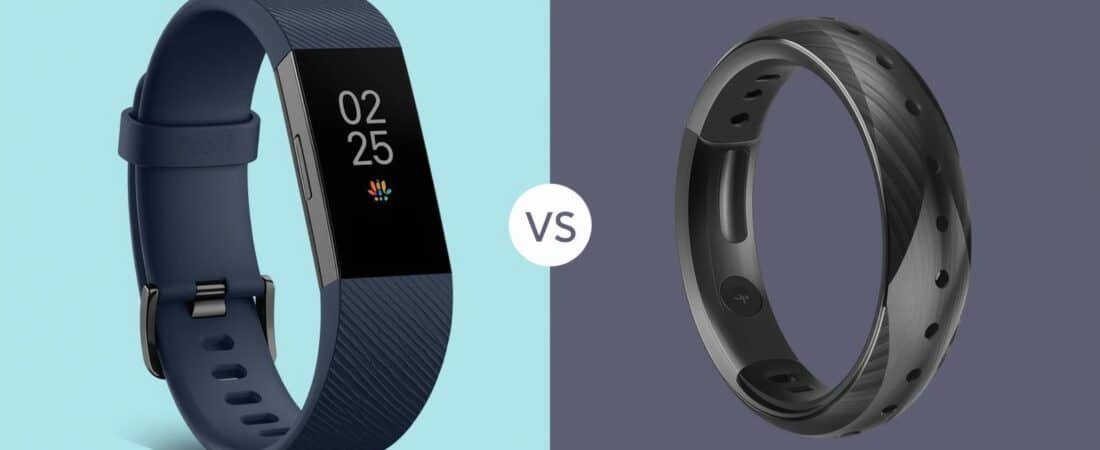
As the demand for health-conscious products rises, devices like the Fitbit and Oura Ring have emerged as frontrunners in the wellness wearables sector. These gadgets not only track essential metrics but also offer features and functionalities that encourage users to engage more actively in their health journeys. Many users find value in the ability to monitor their daily activities and receive feedback on their progress, making such wearables integral to their wellness routines.
Different wellness wearables cater to diverse needs, emphasizing the importance of selecting one that aligns with personal health goals.
For those interested in tracking wellness wearables, the Oura Ring provides a unique approach to understanding overall health.
Both Fitbit and Oura Ring showcase how wellness wearables can enhance our understanding of fitness and recovery.
The importance of wellness wearables lies not only in tracking physical activity but also in their capability to monitor various aspects of mental health and sleep patterns. With stress being recognized as a major factor affecting physical health, wellness devices have started incorporating features that help users understand and manage their stress levels effectively. Furthermore, sleep-related metrics provided by these devices support users in improving their sleep hygiene, contributing to overall health enhancement.
By using wellness wearables, individuals can gain a deeper understanding of their stress levels and overall mental health.
Utilizing wellness wearables helps users manage their stress more effectively through real-time feedback.
When assessing their health, users can rely on wellness wearables for comprehensive insights into their mental state.
As the marketplace continues to expand, potential consumers are faced with the challenge of making informed choices when selecting wellness wearables. By comparing devices like Fitbit and Oura Ring, individuals can evaluate which option best meets their specific wellness goals. Understanding these devices’ unique features, benefits, and potential limitations is crucial in navigating through this growing market and determining the most suitable option for personal health monitoring.
Overview of Fitbit and Oura Ring
Wellness wearables have become essential tools for individuals seeking to improve their sleep quality and patterns.
Fitbit, established in 2007, has emerged as a dominant player in the realm of fitness wearables. Initially known for its step counters and basic health tracking, the brand has continuously evolved its offerings to include advanced features such as heart rate monitoring, sleep analysis, and on-board GPS functionality. Fitbit devices are widely recognized for their user-friendly interfaces, encouraging lifestyle changes by providing actionable insights into users’ daily activities, workouts, and overall health. Over the years, Fitbit has expanded its product lines to cater to various consumer preferences, introducing devices like the Fitbit Charge, Versa, and Inspire series, each equipped with increasingly sophisticated sensors and features designed to enhance user experience and health management.
With the insights provided by wellness wearables, users can optimize their sleep and recovery strategies.
Understanding sleep through wellness wearables enhances the users’ ability to improve their overall health.
Commitment to using wellness wearables can lead to profound shifts in personal health and fitness journeys.
Practicing mindfulness with wellness wearables can significantly enhance mental well-being and clarity.
In contrast, the Oura Ring, which debuted in 2015, offers a distinct approach to wellness tracking. Unlike traditional fitness trackers, the Oura Ring is designed to be worn on the finger, combining elegance with functionality. Its emphasis on holistic health distinguishes it from competitors. The ring focuses on insights regarding sleep quality, readiness scores, and overall body recovery, providing users with a comprehensive understanding of their well-being rather than just physical activity metrics. Its smart technology utilizes infrared sensors and temperature sensors to gather data, making it a popular choice among individuals seeking a more nuanced view of their health. Oura Ring caters to health enthusiasts who prioritize recovery and sleep optimization, demonstrating innovation in wearables that adapt to the evolving needs of its user base.
Features that promote mindfulness in wellness wearables are essential for cultivating a healthy mindset.
The price of wellness wearables reflects the technology and benefits they provide for health management.
Investing in wellness wearables can lead to better health insights and enhanced fitness strategies.
Both Fitbit and Oura Ring contribute significantly to the wellness sector, offering unique features tailored to different lifestyles. Understanding the key functionalities of each can assist consumers in determining the device that best aligns with their health goals. While Fitbit remains a go-to choice for fitness tracking enthusiasts, the Oura Ring presents a compelling option for those focused on comprehensive health and recovery metrics.
Stress Monitoring: Fitbit vs Oura Ring
Design and usability in wellness wearables are crucial for user engagement and satisfaction.
As wellness wearables continue to evolve, stress monitoring has emerged as a key feature that many consumers prioritize. Both Fitbit and Oura Ring have integrated advanced technologies to help users understand their stress levels. However, the methods and insights vary between these devices, offering unique advantages and drawbacks.
Fitbit utilizes an array of metrics to determine stress levels, prominently featuring heart rate variability (HRV) as a critical indicator. HRV measures the variation in time between heartbeats, which can be a reflective measure of stress and overall cardiovascular health. Additionally, Fitbit devices are equipped with a stress management tool that provides users with daily stress levels and guided breathing exercises aimed at alleviating tension. This feature allows users to engage in practical activities that can mitigate stress and promote relaxation.
On the other hand, the Oura Ring offers a more nuanced approach to stress monitoring. While it also tracks HRV, the Oura Ring emphasizes comprehensive insights into sleep quality, activity levels, and readiness scores. Through this amalgamation of data, the Oura Ring can provide users with a holistic view of their well-being. It assesses the bodily responses to stress by analyzing sleep patterns and recovery, offering predictions on overall stress levels based on physical performance and restfulness. One of the standout features of the Oura Ring is the Readiness Score, which quantifies how prepared a user is for the day based on their physiological signals.
In terms of effectiveness, both devices possess their strengths. Fitbit excels in providing immediate stress management tools, while the Oura Ring emphasizes deeper insights over time. Choosing between these two wearables ultimately depends on the individual’s preference for real-time stress engagement versus a more comprehensive understanding of stress biology.
Sleep Tracking Capabilities
In the realm of wellness wearables, the ability to monitor sleep effectively has become a crucial component in the overall assessment of health. Both the Fitbit and Oura Ring provide advanced features aimed at delivering comprehensive insights into an individual’s sleep patterns, making them notable contenders in the market. The accuracy of sleep stage detection is a primary focus for both devices, as it plays a significant role in understanding the quality of one’s sleep.
Fitbit employs a system for categorizing sleep into various stages, including light, deep, and REM (rapid eye movement) sleep. This assessment is complemented by a unique sleep score, which aggregates various metrics such as duration, restlessness, and timing to provide users a comprehensive daily evaluation of their sleep quality. The Fitbit app further enhances user experience by delivering personalized sleep insights that encourage improvements in sleeping habits, thereby supporting overall well-being.
Choosing the right wellness wearables can help individuals align their devices with their specific health goals.
On the other hand, the Oura Ring distinguishes itself with its in-depth analysis of sleep cycles. Oura not only breaks down sleep into different categories but also tracks metrics such as body temperature and heart rate variability, giving users a holistic view of their nightly recovery. The app presents users with a detailed assessment of their sleep efficiency and nighttime disruptions, making it easier to identify patterns and triggers that affect sleep quality over time.
Ultimately, the effectiveness of wellness wearables lies in their ability to cater to personal health journeys.
In terms of user experience, both devices offer intuitive applications that present sleep data in easy-to-understand formats. Users of both wearables benefit from tailored recommendations geared toward optimizing their sleep environments and routines. While Fitbit’s sleep score provides a quick snapshot of sleep quality, Oura’s emphasis on detailed cycle analysis supports users in making informed decisions about their sleep hygiene practices. Thus, both devices cater to varying preferences, providing essential insights into sleep health.

- Learn to manage stress, sleep better and live healthier with Sense 2 – an advanced health and fitness smartwatch
- Manage stress and live healthier: All-day stress detection with cEDA and daily Stress Management Score, ECG app for atri…
- Measure and improve sleep quality: Daily sleep stages and Sleep Score, smart wake alarm and do not disturb mode
Mindfulness Support Features
Mindfulness has become a crucial aspect of personal well-being, and both Fitbit and Oura Ring offer innovative features designed to cultivate this practice. With its guided breathing exercises, Fitbit aims to promote mental clarity and relaxation. Users can access these exercises through the device, which provides real-time feedback on their breathing patterns. This feature encourages individuals to take short breaks from their daily routines to focus on their breath, helping to reduce stress and enhance overall mindfulness. Many users have reported finding these exercises beneficial, as they offer a structured way to incorporate mindfulness into busy schedules.
Conversely, the Oura Ring incorporates a different yet equally effective approach to mindfulness. One of its standout features is the readiness score, which is derived from various biometric data, including heart rate variability, sleep quality, and activity levels. This score reflects how ready a person is to take on the day and can serve as a valuable prompt for mindfulness practices. When users receive a lower readiness score, it signals the need to prioritize rest and self-care. Such insights encourage individuals to be more attuned to their mental and physical states, fostering a deeper connection with their overall well-being.
Both devices excel in facilitating mindfulness in distinct ways. While Fitbit’s guided breathing exercises provide users with direct methods to practice mindfulness, the Oura Ring delivers insight that encourages mindfulness through self awareness. The variety of mindfulness support features found in both wearables indicates a growing recognition of the importance of mental health in personal wellness. Ultimately, the effectiveness of these features varies based on individual preferences and lifestyle, making the choice between them dependent on users’ specific needs and routines.
Price Comparison and Value for Money
When comparing the prices of Fitbit and Oura Ring, it is essential to consider both the initial investment and the long-term costs associated with the devices. Fitbit offers a variety of models ranging from budget-friendly options like the Fitbit Inspire to premium models such as the Fitbit Charge and Sense, with prices typically ranging from $70 to $300. In contrast, the Oura Ring is positioned as a more premium wellness tracker, with prices generally starting at approximately $299 and going up to $999, depending on the material and features selected.
Another critical aspect of the pricing structure is the subscription plans. Fitbit provides users with a choice between using the device with basic features at no extra charge or subscribing to Fitbit Premium for an enhanced experience. The Premium service, priced at around $9.99 per month or $79.99 annually, offers users advanced health metrics, personalized insights, and access to guided programs. On the other hand, the Oura Ring does not possess a subscription model; however, it does support a monthly subscription for users wishing to access additional features, costing around $6 per month.
In evaluating value for money, it’s crucial to assess the unique features each wearable offers. Fitbit devices typically emphasize a broad range of fitness and health tracking capabilities, making them suitable for fitness enthusiasts. Alternatively, the Oura Ring focuses on recovery and sleep tracking, appealing to those who prioritize holistic wellness approaches. Real-life scenarios, such as how often users engage with the analytics provided and their personal health management goals, can significantly affect the devices’ perceived value. Ultimately, the better investment will depend on individual needs and preferences, wherein users can gauge the potential return on investment by assessing how effectively the device aids in achieving their health and wellness targets.

- ACCURACY – SMART SENSING – Oura tracks over 50 health metrics, including sleep, activity, stress, heart health, and wome…
- ACCURATE SIZING ESSENTIAL – Oura Ring 4 uses unique sizing different from standard jewelry rings; use the Oura Ring 4 Si…
- LONG LASTING BATTERY – With up to 8 days of battery life, no screens and no vibrations, Oura Ring 4 allows you to focus …
Design and Usability
When comparing the Fitbit and Oura Ring, the aesthetic appeal and usability of each device play crucial roles in user satisfaction. Starting with design, the Fitbit series encompasses a range of models, varying in size, color, and overall style. Each device typically resembles a modern wristwatch, featuring a sleek touchscreen that provides an intuitive interface. Fitness enthusiasts may appreciate the variety of bands available, enabling users to match the device with their personal style, making it suitable for both casual wear and workout scenarios.
In contrast, the Oura Ring presents a more understated design. Encapsulated in a minimalistic ring form, this wearable is crafted from durable materials such as titanium, offering longevity and resistance to wear. Its small size makes it particularly appealing for those who prefer a non-intrusive option, allowing for 24/7 wear without discomfort. Although seemingly less visible than a wrist-worn device, the Oura Ring’s design still incorporates a sophisticated aesthetic that suits various settings, from formal events to everyday activities.
From a usability perspective, both devices come with companion apps that enhance user experience. The Fitbit app offers a comprehensive view of metrics such as heart rate, step count, and sleep quality, along with accountability features like challenges and community support, positioning it as a motivating tool for active users. On the other hand, the Oura app delivers a more personalized experience with an emphasis on recovery and well-being. This app analyzes various health indicators in-depth, providing insights on sleep stages and readiness scores, which can guide lifestyle choices. Both platforms ensure smooth navigation, but the choice between them may ultimately depend on individual preferences for aesthetics and functionality.
Battery Life and Durability
The battery life and durability of wellness wearables are critical factors that significantly influence the user experience. When comparing the Fitbit and the Oura Ring, it becomes evident that both devices have unique attributes that appeal to varying preferences. The Fitbit, known for its diverse range of models, typically boasts a respectable battery life, averaging around five to seven days on a single charge, depending on the specific model and its functionalities in use, such as GPS tracking and notifications. Some advanced models may require more frequent charging, primarily when engaging with high-intensity workouts or frequent heart rate monitoring.
In contrast, the Oura Ring has garnered attention for its impressive battery performance, offering approximately four to seven days of use before needing to be recharged. While this is comparable to the Fitbit, the Oura Ring’s quick charging capability sets it apart, allowing users to enjoy its features with minimal downtime. The Oura Ring is designed for sleep tracking, and uninterrupted nighttime wear is often a priority for users; thus, its efficacy in daily usage is notably enhanced by its reliable battery performance.
Ideal Use Cases: Who Should Choose What?
When deciding between the Fitbit and the Oura Ring, users must consider their lifestyle, fitness goals, and health monitoring needs. Each device caters to different demographics, making it essential to identify which wearable aligns best with individual requirements. For fitness enthusiasts, the Fitbit emerges as an ideal choice, offering a comprehensive suite of features aimed at enhancing workout experiences. These features include trackable workouts, heart rate monitoring, GPS functionalities, and integration with various fitness apps. Its user-friendly interface allows for real-time feedback, encouraging users to reach their fitness milestones. Moreover, the social connectivity features foster a sense of community among fellow fitness advocates, motivating users to stay engaged in their health journeys.
On the other hand, the Oura Ring appeals to the biohacking professional, focusing more on holistic health insights than traditional fitness metrics. Designed for users who prioritize sleep quality, recovery, and overall wellness, the Oura Ring excels in providing detailed analytics about sleep patterns and readiness scores. By monitoring heart rate variability and body temperature, the Oura Ring delivers data that can inform lifestyle choices, making it suitable for those looking to optimize their health beyond physical activity. This is particularly beneficial for individuals who are engaged in biohacking, as they can leverage the insights provided to tweak their routines for better overall outcomes.
Ultimately, the decision hinges on personal objectives. Fitness aficionados aiming for enhanced performance will likely lean toward the Fitbit, while those interested in a more nuanced approach to health may find the Oura Ring to be an advantageous companion. Understanding the specific benefits each wearable offers allows users to select the device that most closely aligns with their health and wellness aspirations, ensuring a tailored experience in achieving their personal wellness goals.