

Table of Contents
Introduction to Biohacking
Biohacking is an emerging movement in modern wellness culture, emphasizing the utilization of scientific understanding and technology to enhance human health and performance. At its core, biohacking is about taking an active role in one’s well-being, empowering individuals to make informed decisions about their health without relying solely on traditional medical frameworks. This self-experimentation ethos encourages individuals to explore various methods and tools for achieving optimal physical and mental states.

The importance of biohacking lies in its potential to improve overall quality of life. By harnessing biohacking techniques, individuals can refine their productivity, cognitive abilities, and emotional resilience. So, what does it mean to biohack your brain and body? It signifies the application of several wellness recovery tools such as diet modification, exercise regimens, sleep optimization, and even digital interventions like apps and wearables. These tools have been identified as effective in fostering an improved sense of well-being, offering users an avenue to pursue health goals without the constraints of prescriptions or medical interventions.
As the wellness industry evolves, the concept of biohacking has gained substantial traction among health enthusiasts and those seeking alternative means to enhance their lifestyles. The rising popularity of this movement reflects a growing desire for individualized health solutions, providing people with the freedom to participate proactively in their well-being. It invites exploration into various interventions and life adjustments that can lead to significant outcomes, without necessarily having to depend on pharmaceuticals or clinical treatments.
In essence, biohacking encourages a symbiotic relationship between individuals and technology, promoting an empowered approach to health while acknowledging the unique biology of each person. This holistic view on personal wellness heralds a transformative shift in how we perceive health management, paving the way for a more informed and adaptive society.
The Rise of Wellness Recovery Tools
In recent years, there has been a significant surge in the popularity of wellness recovery tools among health-conscious individuals. As self-care becomes increasingly prioritized in our fast-paced world, these tools offer practical solutions for enhancing physical and mental well-being. A wide array of recovery instruments is now available, ranging from sauna blankets and ice plunge tubs to red light therapy pads and heated neck wraps. This growing interest can largely be attributed to the increased accessibility and convenience of these wellness recovery tools, allowing individuals to engage in personalized self-care routines within the comfort of their own homes.
One notable trend is the incorporation of these devices into daily routines, driven by a desire for holistic well-being. Techniques that once required visits to specialized clinics can now be implemented independently. For instance, sauna blankets enable users to enjoy the benefits of heat therapy without the need for a commercial sauna. Similarly, ice plunge tubs provide an easy way to reduce inflammation and accelerate recovery post-workout, promoting optimal athletic performance. The appeal of such tools lies not only in their ease of use but also in the empowerment they confer upon individuals, equipping them with resources for managing their wellness journey.
Moreover, the rise of social media and wellness influencers has played an instrumental role in popularizing these recovery tools. Platforms such as Instagram and TikTok showcase user experiences and highlight the effectiveness of various products. As a result, enthusiasts increasingly share insights on the usage and benefits of red light therapy pads and heated neck wraps, further driving interest in these modalities. Such community-driven knowledge-sharing fosters a broader acceptance of wellness recovery tools, reinforcing their significance in promoting overall health and well-being.
Understanding the Science Behind Recovery Tools
The utilization of recovery tools has gained significant traction in recent years, largely due to an increasing body of scientific literature supporting their efficacy. At the core of these wellness tools lies a comprehensive understanding of the physiological and psychological effects they invoke. Evidence suggests that engaging with these tools can lead to improved stress relief, enhanced immune function, and heightened mental clarity.
For instance, numerous studies have demonstrated the impact of mindfulness practices—such as meditation and breathing exercises—on stress reduction. According to a meta-analysis published in the journal Health Psychology Review, mindfulness-based interventions are associated with measurable decreases in stress levels, leading to better overall health outcomes. This reduction in stress not only enhances mental clarity but also bolsters immune support by mitigating the release of stress hormones like cortisol, which can compromise immune functionality when present in elevated levels over prolonged periods.
Moreover, research in psychoneuroimmunology illustrates that emotional well-being significantly influences physical health. One key finding indicates that practicing gratitude and positive self-reflection can effectuate changes in brain activity, promoting a favorable immune response. Studies published in The Journal of Positive Psychology provide strong evidence connecting regular engagement with recovery tools to increased resilience against common illnesses, underscoring a holistic approach to wellness.
The psychological implications are equally noteworthy; using recovery tools can induce a positive feedback loop in brain chemistry. For example, tools like flotation therapy and cold exposure have been linked with the release of endorphins and improved mood, facilitating enhanced mental clarity and cognitive function. As individuals incorporate such practices into their routines, their mind-body connection strengthens, fostering a greater sense of well-being, focus, and productivity.
In conclusion, the integration of recovery tools in daily life is increasingly supported by empirical findings. By understanding the underlying science, individuals can make informed decisions about utilizing these innovative strategies to bolster their mental and physical health.
Daily Routines for Optimal Recovery

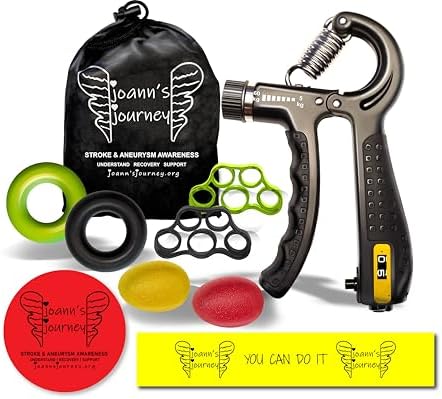

Incorporating wellness recovery tools into your daily routine can significantly enhance both physical and mental health. To maximize the benefits of these tools, it is essential to schedule sessions thoughtfully, ensuring each tool is utilized at its optimal time and duration. A well-structured routine not only boosts recovery but also cultivates a healthier lifestyle overall.
Beginning your day with a morning ritual is a beneficial practice. Starting with a 10 to 15-minute session of mindfulness meditation can greatly enhance mental clarity and emotional stability. This can include breathwork or guided meditation, allowing you to set a positive tone for the day ahead. Following meditation, consider incorporating light stretching or yoga for 20 minutes, focusing on increasing flexibility and circulation throughout the body.
As the day progresses and work-related stressors arise, taking short breaks to engage with recovery tools can serve as a restorative measure. A five-minute deep breathing exercise or short walk every hour can effectively reduce stress levels while enhancing focus and productivity. Additionally, using tools like foam rollers or massage balls for myofascial release can be beneficial during longer work sessions; dedicating 5 to 10 minutes after several hours of sitting can alleviate tension in the muscles.
In the late afternoon or early evening, prioritize physical activity, ideally 30 to 60 minutes of moderate exercise, such as jogging or cycling. This not only supports physical recovery but also boosts mental well-being. Post-workout, allow time for recovery through practices like contrast water therapy, alternating between hot and cold showers, which aids in reducing soreness and supporting circulation.
Finally, wrapping up your day with a relaxation routine approximately 30 minutes before bedtime can signal to your body that it is time to wind down. This can include practices like gentle yoga, reading, or utilizing relaxation apps focusing on calming sounds. By integrating these wellness recovery tools into your daily routine, you can create a harmonious balance that caters to your overall well-being.
Exploring the Benefits of Each Tool
Wellness recovery tools have gained significant attention in recent years as individuals seek effective methods to enhance health and optimize recovery. Among these tools, sauna blankets, ice plunge tubs, red light therapy pads, and heated neck wraps each offer unique benefits that cater to diverse recovery goals.
Sauna blankets harness the therapeutic properties of heat. By enveloping the body in a controlled environment, they promote increased circulation, enhance detoxification, and support muscle relaxation. Regular usage may help to alleviate muscle soreness, reduce stress levels, and improve overall wellbeing. Users can expect to experience a gentler approach to traditional sauna therapy, making sauna blankets an attractive option for those seeking convenience and comfort.
Ice plunge tubs provide a contrasting recovery method by employing cold therapy. The intense cold exposure helps reduce inflammation, alleviate pain, and accelerate muscle recovery. Athletes and fitness enthusiasts often turn to ice plunge tubs to manage soreness after workouts. This tool is particularly beneficial for anyone recovering from high-impact activities, as it effectively reduces muscle fatigue and promotes faster healing.
Red light therapy pads utilize specific wavelengths of light to stimulate cellular repair and regeneration. The mechanism works by penetrating the skin to enhance mitochondrial function, thereby promoting healing at the cellular level. Users can expect benefits such as improved skin health, reduced inflammation, and accelerated recovery from injuries. This therapy is suitable for those interested in enhancing their overall health, skin condition, and physical performance.
Heated neck wraps offer targeted relief for muscle tension and stress, particularly in the neck and shoulder regions. By providing consistent heat, these wraps help to relax tight muscles and improve blood flow. Ideal for individuals with sedentary lifestyles or those who experience chronic tension, heated neck wraps support relaxation and recovery throughout the day.
Each of these wellness recovery tools serves a distinct purpose, and users should evaluate their individual recovery goals to select the most appropriate option. Whether it’s enhancing physical performance, managing muscle pain, or reducing stress, integrating these tools can yield significant improvements in overall health and wellness.
Affordability of Home Wellness Tools
The financial aspect of acquiring wellness recovery tools for home use is a significant consideration for many individuals. When evaluating the costs associated with spa treatments, which can include hefty fees for services such as massages, hydrotherapy, and other treatments, the price of home wellness tools appears comparatively reasonable. Premium spa services can range from $100 to $300 per visit, depending on the treatment type and duration. In contrast, one-time investments in home wellness gadgets, such as infrared saunas, massage chairs, or meditation devices, tend to be more budget-friendly.
Investing in home wellness tools allows users to benefit from their effects regularly without incurring ongoing costs associated with professional spa visits. For example, a high-quality massage chair might have an upfront cost of around $1,000, but when used multiple times a week, it quickly pays for itself compared to continual spa sessions. The return on this investment becomes more pronounced over time, particularly when considering the long-term benefits of enhanced mental clarity, reduced stress, and improved physical health.
Moreover, budgeting for these wellness tools can lead to significant long-term savings. By forgoing frequent spa visits, individuals can allocate those funds toward purchasing high-quality wellness gadgets that can be used indefinitely. Furthermore, regular use of these tools can enhance overall health outcomes, potentially reducing healthcare costs associated with stress-related illnesses, poor sleep, or chronic pain conditions. Consequently, the financial implications of making such investments prompt a reassessment of how individuals prioritize their health and wellness, highlighting the value of self-care in today’s fast-paced and demanding world.
Recommended Products from Amazon
When exploring methods to enhance wellness and recovery, various products are available that stand out for their efficacy and user satisfaction. Here is a curated list of recommended products from Amazon that cater to different recovery methods, including sauna blankets, ice plunge tubs, red light therapy pads, and heated neck wraps.
Sauna Blankets: One standout option is the HigherDOSE Infrared Sauna Blanket. Priced at approximately $499, this blanket is designed to promote detoxification and relaxation through infrared heat. Customers have praised its ability to soothe sore muscles and enhance overall wellness. The user-friendly design allows for easy setup and storage, making it an excellent addition to any recovery routine.
Ice Plunge Tubs: For those looking to incorporate cold therapy, the ICEBATH 50 Gallon Portable Ice Bath is a worthy investment at around $249. This inflatable ice plunge tub is highly rated by users for its convenience and portability. It provides an ice bath experience that is beneficial for reducing inflammation and speeding up recovery post-exercise.
Red Light Therapy Pads: The Hooga Red Light Therapy Device is another excellent choice, costing approximately $159. Designed with multiple wavelengths for comprehensive light therapy, customers report significant improvements in skin health and muscle recovery. Its compact size allows for targeted applications, making it a popular option for both athletes and wellness enthusiasts.
Heated Neck Wraps: Lastly, the Sunbeam Heated Neck Wrap at about $49 is ideal for easing tension and pain in the neck area. Its plush fabric and adjustable heat settings have earned it high customer ratings, highlighting its effectiveness in promoting relaxation and alleviating stress.
Each of these products offers unique benefits that contribute to overall wellness and recovery strategies. By integrating these tools into your routine, you can optimize your health journey without the need for prescriptions.
Safety Considerations When Using Wellness Tools
Utilizing wellness recovery tools can be a transformative aspect of enhancing both mental and physical well-being; however, safety should remain a priority. Before embarking on any wellness journey, it is crucial to familiarize yourself with certain safety precautions that can help mitigate risks involved in using these tools.
Firstly, individuals must understand the recommended usage guidelines associated with each tool or technique. Whether it involves physical apparatus like fitness trackers or mental wellness strategies such as mindfulness apps, following instructions from credible sources significantly reduces the likelihood of adverse effects. Additionally, evaluating one’s own physical condition is essential; existing health issues may influence how beneficial or safe certain wellness tools can be. For instance, it’s advisable to consult with a healthcare professional when considering any major changes, especially for individuals with chronic medical conditions or those who are pregnant.
Another important safety consideration involves recognizing potential contraindications. Certain wellness tools may interact negatively with medications or other therapies, which can lead to unintended health issues. It is prudent to discuss the intent to use specific recovery tools with a healthcare provider. They can help identify any specific contraindications that may apply to you.
Lastly, fostering a culture of self-awareness when using wellness recovery tools cannot be overlooked. Paying close attention to how one’s body and mind react during the use of these tools is crucial for ensuring a safe experience. Should any discomfort, unexpected change, or adverse reaction occur, it is advisable to cease use immediately and seek professional guidance. By practicing these safety measures, individuals can enhance their wellness recovery journey while minimizing risks involved.
Conclusion
In the journey towards enhanced health, the concept of biohacking emerges as an empowering approach that enables individuals to take control of their well-being. By applying techniques that leverage wellness recovery tools, individuals can experience significant improvements in both brain and body health. Throughout this blog post, we have explored various methods and strategies that facilitate this transformation without the need for prescriptions or expensive interventions.
Firstly, the understanding of biohacking lies in its underlying principle: optimizing one’s physiology and psychology for better performance and overall quality of life. We discussed an array of wellness recovery tools, including nutritional adjustments, exercise regimes, mindfulness practices, and innovative technologies designed to restore balance and enhance personal capabilities. Each of these tools offers unique advantages, encouraging individuals to tailor their wellness approaches according to their personal needs and preferences.
An essential aspect of biohacking is education. Individuals are urged to become informed about the potential benefits and limitations of these tools. By cultivating knowledge, one can make wise choices and implement techniques that align with their health goals. Encouragement to engage with communities, research findings, and latest trends in wellness helps foster a sustainable practice that keeps pace with evolving health insights.
Ultimately, embarking on the biohacking path offers promising prospects for those seeking to improve their wellness affordably and effectively. By embracing these wellness recovery tools and committing to self-exploration, individuals can significantly impact their health outcomes. Taking the first step, while challenging, can lead to profound changes in how one feels, thinks, and engages with life. The journey awaits, opening doors to a more vibrant and healthier existence.