

Table of Contents
Introduction
In an age where digital devices dominate our daily lives, the concept of analog planning tools is gaining renewed attention. As more individuals and organizations rely heavily on screens for productivity, the adverse effects of digital fatigue and distractions have become increasingly evident. The overwhelming information flow from emails, notifications, and various applications often leads to decreased focus and diminished creative thinking. This situation has prompted many to reconsider the role of technology in their planning routines and explore the potential benefits of returning to more traditional, analog methods.
Analog planning tools encompass a wide range of physical resources such as planners, notebooks, sticky notes, and calendars. These items offer a tactile experience that encourages users to be more intentional in their planning process. Unlike digital tools, which can quickly become overwhelming and cluttered, analog tools provide a cleaner and more organized approach to managing tasks and schedules. By reducing reliance on screens, individuals can cultivate a more mindful environment that fosters enhanced concentration and clarity.
Moreover, incorporating analog planning tools into daily routines can significantly improve productivity levels. The act of physically writing down tasks or goals not only aids memory retention but also empowers users to engage with their planning on a deeper level. This intrinsic involvement often translates into more conscientious decision-making. Furthermore, using these tools can help restrict the urge to check devices incessantly, countering the distractions that typically impede productivity.
In summary, as the digital landscape continues to evolve, the relevance of analog planning tools remains robust. By embracing these tools, individuals can experience improved focus, heightened productivity, and a reduction in screen time, ultimately leading to a more balanced and fulfilling approach to planning and organization.
What are Analog Planning Tools?
Analog planning tools refer to physical, non-digital mechanisms used for organization and time management. These tools include paper planners, notebooks, sticky notes, and calendars, differing significantly from their digital counterparts such as mobile applications and online calendars. While digital tools often emphasize speed and convenience, analog planning tools offer a tactile experience that many users find more engaging and satisfying.

One of the most notable aspects of analog planning tools is their visual appeal. The variety of designs, colors, and layouts can enhance the planning experience, making it not only functional but also aesthetically pleasing. This visual engagement can stimulate creativity and foster a deeper connection with one’s tasks and goals. Unlike digital screens that can be distracting or overwhelming, analog tools allow users to focus on a singular task, providing a refreshing break from the constant influx of notifications that characterize digital devices.
Additionally, using analog planning tools has psychological benefits that can significantly impact productivity. Studies have indicated that writing things down can enhance memory retention and comprehension. The simple act of physically writing engages motor skills that digitized text entry does not, leading to a more profound cognitive processing of the information. This can result in increased mindfulness and a stronger commitment to tasks, as seeing plans laid out on paper fosters a sense of accountability and ownership.
Finally, analog planning tools promote a sense of presence. Engaging with physical materials encourages individuals to slow down, reflect, and be more intentional in their planning efforts. This process facilitates not just organization but also a deeper understanding of personal objectives and priorities, establishing a sense of control in an increasingly chaotic world.
The Power of Time Cubes
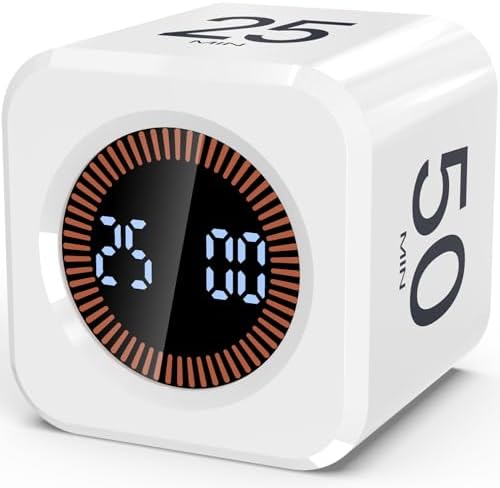
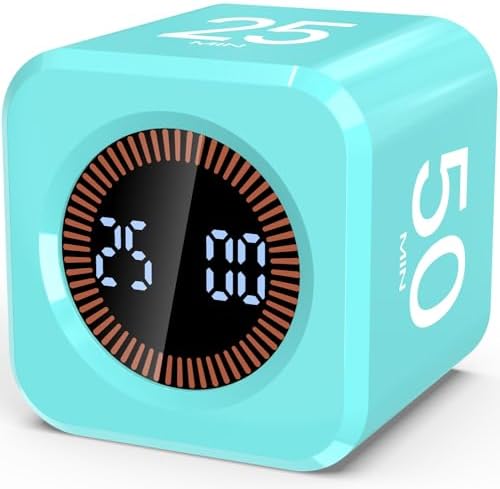
https://amzn.to/3Za37JBTime cubes represent an innovative analog tool designed to enhance time management and help individuals allocate their time more efficiently. These simple yet effective devices use a multi-faceted approach to time visualization, often comprising one or more cubes that are marked with time intervals. When a cube is flipped to showcase a specific side, it visually signifies the duration allocated for a particular task. This unique design encourages users to focus their attention and optimize their daily schedules.
One of the main benefits of employing time cubes is their ability to promote concentration during tasks. By setting a finite time limit for work or study sessions, individuals are motivated to engage fully in their activities without the distractions that screens may often introduce. The physical nature of these cubes serves as a tactile reminder of the time commitment, creating a sense of urgency that can effectively reduce procrastination.
The visual element of time cubes significantly aids in understanding time management. Unlike traditional clocks, which can sometimes create pressure or anxiety, time cubes offer a more approachable method for visualizing time. Users can see at a glance how much time remains for a task, allowing for better planning and efficient task execution. This clear distinction fosters a productive environment where prioritization becomes more manageable.
Moreover, incorporating time cubes into daily routines not only reduces screen time but also cultivates a sense of accomplishment as users complete tasks within designated intervals. The clear representation of time encourages a balanced workflow, increasing overall productivity. As more individuals seek ways to manage their time without relying heavily on digital tools, the time cube emerges as a favored choice for fostering focus and enhancing efficiency.
Utilizing Visual Habit Boards
Visual habit boards are innovative tools designed to help individuals track their habits and goals in a tangible and engaging manner. These boards serve as a motivational framework that encourages users to visualize their progress, creating a daily reminder of their aspirations. By depicting habits graphically, users can not only see their goals but also feel more committed to achieving them. The fundamental idea behind a visual habit board is to convert abstract goals into concrete representations, effectively turning the planning process into an interactive experience.
The design elements of a visual habit board play a critical role in its effectiveness. Employing vibrant colors, inspiring images, and decorative stickers, these boards can be customized to resonate with personal motivations. The use of distinctive visuals helps to capture attention and make the experience enjoyable, provoking a sense of joy and excitement each time a task is marked as completed. By incorporating images that symbolize personal achievements or aspirations, individuals can anchor their motivations, making the pursuit of goals feel more relatable and achievable.
Moreover, the psychological impact of visual representation cannot be overstated. Research has shown that when individuals visually track their progress, they experience heightened feelings of satisfaction and accomplishment. Physically marking achievements on a habit board—be it through stickers, checkmarks, or illustrations—provides a sensory experience that digital tracking methods often lack. This tactile interaction reinforces positive habits and fosters a stronger connection between the individual and their goals. Ultimately, visual habit boards not only enhance the habit formation process but also create a rewarding and empowering experience, making them an invaluable tool for anyone seeking to boost productivity and reduce screen time.
The Benefits of Tactile Planners
Tactile planners have gained considerable attention for their hands-on approach to scheduling and task management. These tools, which include bullet journals, daily planners, and weekly layouts, offer an alternative to digital planning by providing a more immersive experience. This tactile engagement enables users to develop a stronger connection with their schedules and to-do lists, which can lead to enhanced motivation and productivity.
One of the significant benefits of using planning tools on paper is improved memory retention. Research has shown that writing down information helps in encoding it into memory more effectively compared to typing. By jotting down tasks and goals in a tactile planner, individuals can reinforce their memory, making it more likely that they will remember important commitments and deadlines. This can be especially advantageous in today’s fast-paced environment, where digital distractions often hinder focus and concentration.
Moreover, tactile planners encourage creative expression. Users can customize their layouts with colors, stickers, and drawings, allowing for personalization that reflects their unique styles and preferences. This added element of creativity turns planning into a pleasurable activity rather than a mundane chore. Many individuals find that the process of designing their pages fosters a sense of accomplishment and encourages them to engage with their planning tools consistently.
In addition to these benefits, tactile planners are valuable in reducing digital distractions. By opting for a physical planning tool, users are less likely to encounter the interruptions typically associated with digital devices, such as notifications and app fatigue. This shift not only promotes focus and mindfulness but also enhances overall productivity, as individuals can devote their full attention to the tasks at hand. Whether one prefers a structured daily planner or a flexible bullet journal, tactile planners offer numerous advantages that can transform the planning process and contribute positively to daily productivity.
Combining Analog and Digital for the Best of Both Worlds
In today’s fast-paced environment, the optimal approach to productivity often lies in merging analog and digital tools. Each format presents unique advantages that, when effectively combined, can create a personalized planning system tailored to one’s specific needs and preferences. By integrating these two modalities, individuals can maximize efficiency while minimizing the stress often associated with excessive screen time.
Digital tools, such as calendars and task management apps, are invaluable for managing appointments and deadlines. For instance, digital calendars offer features like reminders, sharing capabilities, and the ability to sync across multiple devices. These functionalities ensure that important events and obligations are not overlooked, fostering a sense of organization. However, relying solely on digital platforms can lead to feelings of overwhelm and fatigue, especially with the constant influx of notifications.
On the other hand, analog tools such as planners and notebooks bring an element of mindfulness to task management. Writing tasks down can enhance memory retention and provide a tangible sense of achievement as items are crossed off upon completion. Moreover, the physical act of writing can be therapeutic, allowing individuals to reflect on their priorities and progress without the distractions that digital devices often entail.
A balanced approach might involve using a digital calendar for scheduling and managing events, while employing an analog planner for daily tasks, habit tracking, and personal reflections. This combination not only leverages the strengths of each medium but also allows for a more holistic view of one’s responsibilities and goals. Personalization is key; individuals should experiment with various combinations to discover what best suits their workflow. Ultimately, this tailored system can enhance productivity and lead to a more fulfilling, mindful planning experience.

Practical Tips for Transitioning to Analog Planning
Transitioning from digital to analog planning can be a refreshing change that promotes mindfulness and reduces dependency on screens. Begin this journey by integrating one analog tool at a time into your routine. For instance, start with a simple notebook or a planner where you can jot down daily tasks and objectives. By focusing on a singular tool, you can adapt more effectively without feeling overwhelmed. This gradual approach allows you to explore the benefits of analog planning without sudden disruptions to your existing workflow.
Establishing a set routine can further strengthen your commitment to using analog tools. Designate specific times during your day solely for planning and reflection. Whether it’s in the morning before starting your tasks, during lunch, or winding down in the evening, having a set time will reinforce the habit and make it easier to integrate into your lifestyle. Additionally, consider creating a peaceful environment for these moments. Choosing a clutter-free space can enhance concentration and make planning a more enjoyable and productive experience.
Incorporating screen-free times throughout your day is also vital in facilitating a successful transition. Set boundaries with your digital devices by allocating specified hours that are dedicated to analog planning. For example, you might choose to unplug for one hour each evening, allowing yourself the space to reflect on the day and plan for tomorrow without digital distractions. This not only aids in better organization but fosters a deeper connection with your tasks. As you progress, continuously reassess your experiences with the analog tools you are using and adjust your practices as necessary to maximize their effectiveness.
Success Stories: Real-life Examples of Analog Planning
In an increasingly digital world, many individuals are discovering the profound benefits of analog planning tools, leading to enhanced productivity and well-being. One notable story comes from a marketing professional named Sarah. Overwhelmed with her daily screen time, she decided to incorporate a simple paper planner into her routine. By mapping out her daily tasks and prioritizing them on paper, Sarah experienced a significant reduction in anxiety and an enhanced sense of control. Her productivity skyrocketed, allowing her to achieve her goals while maintaining a better work-life balance.
Another inspiring anecdote is shared by John, a university student who struggled with distractions from his electronic devices. By adopting an analog approach with a bullet journal, John found a new level of focus. He utilized the journal not just for academics but also as a tool for setting personal goals and tracking his habits. He noticed substantial improvements not only in his grades but also in his ability to concentrate for longer periods without the constant interruptions posed by notifications and digital distractions.
Equally impactful is the story of Emma, a busy mother who was feeling overwhelmed by her hectic schedule. Emma implemented a wall calendar to visualize her family’s schedule, allowing her to plan efficiently while reducing reliance on digital tools. This shift enabled her to engage more meaningfully with her family, as she spent less time on screens and more quality time with loved ones. She noted how this change positively influenced her mental health, helping her feel more organized and less stressed.
These testimonials highlight how the implementation of analog planning tools can drive significant improvements in productivity, focus, and overall well-being. From professionals to students and busy parents, the shift towards analog methods demonstrates a practical pathway towards enhancing one’s life while reaping the benefits of reduced screen time. Such success stories serve as motivation for others seeking a balance between productivity and well-being in their own lives.
Conclusion: Embracing Analog Tools for a Productive Future
As we navigate an increasingly digital landscape, the importance of balancing productivity with screen time has never been more pronounced. Throughout this discussion, we have delved into various analog planning tools that not only enhance productivity but also provide a welcome respite from digital devices. From the tactile experience of using a planner to the focused approach of bullet journaling, these tools facilitate a more mindful engagement with our time and tasks.
Analog planning tools present numerous advantages over digital alternatives. They encourage intentionality in organizing thoughts, tasks, and goals, which can lead to heightened focus and creativity. The physical act of writing has been shown to improve memory retention and comprehension, making it a valuable practice for personal and professional growth. Moreover, by reducing screen time, individuals can alleviate the cognitive overload often associated with constant digital notifications and distractions.
The diverse array of options available, including planners, whiteboards, and sticky notes, allows individuals to tailor their planning approach to meet their unique needs and preferences. Experimenting with these various tools can unlock new strategies for efficient time management and task completion. Whether one prefers the structure of a traditional planner or the flexibility of a bullet journal, the key is to find a method that resonates with their personal planning style.
In light of the discussion surrounding the integration of analog tools, it is clear that embracing such methods fosters a more productive, mindful future. Readers are encouraged to explore these options and discover the tangible benefits of reducing screen time while enhancing their overall organizational skills.