
Table of Contents
Introduction to Non-Digital Meditation Gear
In today’s fast-paced, technology-driven world, the practice of mindfulness has become increasingly essential as a counterbalance to our digital lives. Non-digital meditation gear is a concept that emphasizes the importance of physical tools and traditional practices that aid in cultivating awareness and presence, steering individuals away from the distractions posed by electronic devices. These tangible objects foster a deeper connection to the meditative experience, offering a back-to-basics approach that many are finding invaluable amidst the noise of modern life.
Non-digital meditation gear encompasses a variety of tools, including items such as meditation cushions, mala beads, singing bowls, and incense, all of which enhance the meditative experience by encouraging focus and mindfulness. The physicality of these tools allows practitioners to engage their senses more fully, creating a multi-dimensional experience that transcends mere cognitive engagement. This sensory interaction can deepen one’s practice and foster a more profound sense of calm and clarity.
As individuals increasingly seek respite from the relentless stimulation of screens and notifications, incorporating non-digital tools into their mindfulness routines allows for a more intentional and immersive experience. For those embarking on their spiritual journeys or deepening their existing practices, these physical aids can facilitate set rituals, promote a calming atmosphere, and serve as reminders to embrace the present moment. Moreover, they can provide a tactile connection to the meditative process, enhancing the ability to center oneself more effectively.
In this light, non-digital meditation gear is not merely an add-on but an essential component of a holistic mindfulness practice. In an era where distractions abound, these tools assert the importance of primal, elemental experiences that reconnect individuals to the art of being, fostering tranquility and self-awareness without the interference of technology.
The Benefits of Tactile Meditation Tools
Tactile meditation tools play a significant role in enhancing the practice of mindfulness by providing a multisensory experience that deepens focus and encourages relaxation. Unlike digital alternatives, which can distract practitioners with notifications and visual stimuli, physical tools allow individuals to engage with their surroundings in a more meaningful manner. The tangible nature of these tools – whether it be a meditation cushion, mala beads, or a singing bowl – fosters a stronger connection to the present moment, reminding practitioners of their surroundings and promoting a sense of grounding.
One of the primary benefits of using tactile meditation tools is the enhanced focus they offer. Engaging with a physical item during meditation can help direct attention away from racing thoughts and towards the sensation of the tool itself. For example, when using mala beads, the act of moving each bead through one’s fingers can create a rhythmic focus, aiding in the process of calming the mind. This tactile interaction encourages practitioners to become more mindful, reinforcing their commitment to staying present.
Moreover, tactile meditation tools are instrumental in promoting deeper relaxation. The sensory experiences associated with these tools can induce tranquility and comfort, essential for successful meditation. Textures, weights, and sounds associated with items like singing bowls or incense can evoke a serene atmosphere that enhances the overall meditative experience. This heightened awareness of bodily sensations allows users to explore their emotional landscape and cultivate a more profound sense of inner peace.
In addition, these tools help to create a richer sensory experience, which encourages users to completely embrace their practice. By incorporating tactile elements into meditation, individuals find themselves more engaged, fostering a holistic approach to mental well-being that transcends the limits of digital interfaces. Practicing mindfulness in this way not only nurtures focus and relaxation but also nurtures a lasting connection to one’s meditation journey.
Exploring Singing Bowls
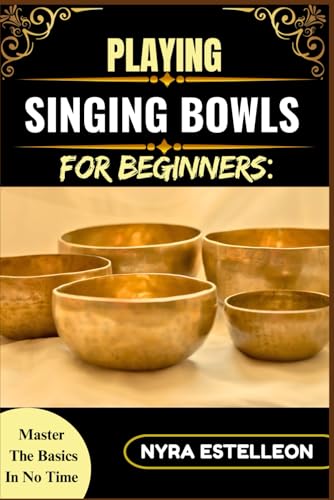
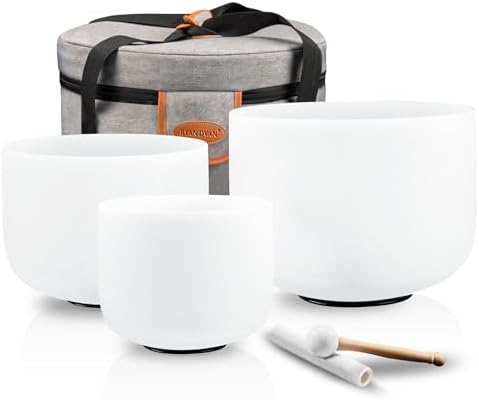
Singing bowls, often associated with meditation and wellness practices, have a rich history rooted in ancient traditions, particularly in Tibetan and Nepali cultures. These bowls, which are crafted from metal alloys and other materials, produce resonant sounds when struck or circled with a mallet. Historically, they have been used not only as musical instruments but also as tools for healing, meditation, and spiritual ceremonies. Their captivating tones are believed to promote relaxation and deepen one’s meditative experience.
When incorporated into meditation sessions, singing bowls serve as a conduit for calming vibrations that help practitioners achieve a state of mindfulness. The sound waves generated by the bowls can aid in clearing the mind, enhancing focus, and creating an ambiance conducive to deep meditation. Practitioners often report a profound sense of peace and connection to inner stillness after engaging with the tones of a singing bowl. This sound therapy reinforces mindfulness practices by encouraging individuals to stay present and engaged.
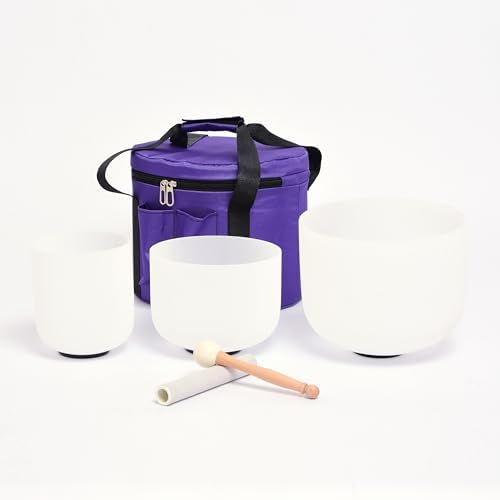
To effectively use a singing bowl during meditation, one might start by finding a quiet space. Begin by striking the bowl gently with a mallet to create a clear sound, allowing the resonance to fill the area. As the sound fades, one can either simply listen or gently circle the rim of the bowl with the mallet to explore different tones. Maintaining an open posture and focusing on the vibrations can enhance the meditative experience. For beginners, it is advisable to choose a singing bowl that resonates well with one’s preferences—consider the size, material, and frequency of sound that feels most appealing.
When selecting a singing bowl, personal resonance is crucial. Some individuals may prefer low-pitched bowls that provide a grounding experience, while others might opt for higher pitches that evoke feelings of lightness. Additionally, it can be beneficial to physically assess a bowl, as holding and engaging with it in person can often lead to a more intuitive choice. In this way, the journey of discovering the right singing bowl unfolds harmoniously with personal meditation practices, aiding in the development of mindfulness and inner tranquility.
Using Breathing Beads for Mindfulness
Breathing beads have a rich history and are often utilized in various cultures as a tactile aid to enhance meditation and mindfulness practices. Traditionally, these beads are known as “mala beads” in Hindu and Buddhist practices and consist of a string of 108 beads. They serve not only as a beautiful accessory but also as a valuable tool to maintain focus during meditation, allowing practitioners to deepen their breath awareness.
The primary purpose of breathing beads is to facilitate concentration on the breath or mantra during meditation. Each bead represents a count, assisting individuals in tracking their breathing patterns or the repetition of specific phrases or affirmations. As practitioners move their fingers along the beads, they anchor their thoughts, which promotes a more profound state of awareness and tranquility.
To effectively utilize breathing beads, one can follow simple techniques that enhance mindfulness. First, begin in a comfortable seated position and hold the mala beads in your dominant hand. With the index finger and thumb, grasp the first bead next to the guru bead, which is typically larger and signifies the beginning of the meditation.
As you inhale deeply, consider affirming gratitude or setting an intention. As you exhale, move your fingers to the next bead, ensuring that every breath is matched by the movement across a bead. This method aids in anchoring your attention to the present moment while fostering a rhythm to the practice.
Another technique involves focusing solely on your breath while using the beads, counting each inhalation and exhalation as you glide through the beads. This practice not only cultivates mindfulness but also reinforces the connection between breath and body. By integrating breathing beads into your meditation routine, you can enhance your overall mindfulness experience, creating balance and peace within.
The Power of Acupressure Mats
Acupressure mats have gained recognition as an effective non-digital meditation aid, designed to stimulate pressure points on the body, promoting relaxation while alleviating stress. These mats, often adorned with thousands of small spikes, are inspired by traditional acupressure techniques, which are rooted in ancient Chinese medicine. By applying gentle pressure to targeted areas, acupressure mats can help release muscle tension, improve circulation, and foster a sense of calm.
Incorporating an acupressure mat into your meditation routine can be both simple and fulfilling. Begin by laying the mat on a flat surface, ensuring it feels comfortable and secure. You may choose to place it directly on the floor or on top of a yoga mat for added cushioning. Once in position, you can lie down on your back, allowing your body weight to press against the spikes. Alternatively, it can also be used while seated, targeting specific areas such as the neck or lower back. It is recommended to start with shorter sessions of about 10 to 15 minutes, gradually increasing the duration as your body becomes accustomed to the sensation. Many users report that the initial discomfort transforms into a soothing warmth as the body relaxes into the mat.
Please choose display type!Creating a Relaxing Atmosphere with Incense Clocks
In the realm of mindfulness and meditation, cultivating a serene environment is essential for deepening the practice. One unique tool that can significantly enhance this atmosphere is the incense clock. These traditional devices not only serve as a timekeeping mechanism but also release fragrant smoke, creating a calming ambience that aids in relaxation and concentration.
The gentle, continuous burn of incense clocks produces soothing scents that can help to reduce anxiety and promote a sense of peace. Unlike digital timers that often have harsh beeping sounds, incense clocks offer a gentle reminder of time passing, allowing practitioners to enjoy their meditation without distractions. As the incense slowly burns, its persistent aroma fills the room, creating a sensory experience that is conducive to mindfulness.
When selecting an incense clock, it is vital to consider the type of incense used. Different scents carry diverse benefits; for instance, lavender is renowned for its relaxing properties, while sandalwood can enhance focus and clarity. Moreover, certain herbal scents are thought to purify the air and promote an uplifting atmosphere, making them ideal companions for meditation sessions. Opting for high-quality, natural incense will ensure that the air remains clean and that the fragrance is pleasing and effective.
Additionally, the design of incense clocks varies widely, with options that can suit any aesthetic preference. Whether one favors a rustic wooden clock or a sleek modern design, integrating this tool into the meditation space can be visually appealing as well as functional. As practitioners set their intentions and engage in mindfulness practices, the presence of an incense clock can serve as both a reminder of the passage of time and an enhancer of the overall meditative experience.
Integrating Natural Elements: Stones and Crystals
Incorporating stones and crystals into mindfulness practices can significantly enhance the meditation experience. Each type of stone and crystal possesses unique properties that resonate with different intentions and emotional states. Thus, selecting the right natural element can foster a more focused and impactful meditation session. For example, amethyst is known for its calming qualities, making it an excellent choice for those seeking to alleviate stress and anxiety. Conversely, citrine is often associated with joy and abundance, ideal for intentions centered around positivity and personal growth.
When choosing stones and crystals for meditation, it is essential to understand their energies and metaphysical properties. To begin, consider your specific needs or intentions. For grounding and stability, stones like hematite or obsidian are beneficial; they help anchor the mind and body during meditation. On the other hand, if clarity and communication are the goals, stones such as lapis lazuli or blue calcite can enhance these qualities. Engaging with a variety of stones provides an opportunity to explore different emotional states and intentions in meditation.
Once you have selected your stones, there are several ways to effectively integrate them into your practice. One common method is to hold the chosen stone in your hand or place it on the body while meditating. This allows the natural energy of the stone to resonate with your own, fostering a deeper connection to your practice. Alternatively, creating a crystal grid around your meditation space can amplify the energy and focus of your intentions. Experimenting with different configurations and placements can enhance the overall experience.
Lastly, cleansing your stones regularly is vital to maintain their energetic purity. Methods can include smudging with sage, placing them under moonlight, or using sound vibrations. By thoughtfully selecting and integrating stones and crystals into your meditation practices, you can cultivate a richer and more profound mindfulness experience.
Crafting a Personalized Meditation Space
Creating a personalized meditation space is an essential step in fostering a conducive environment that encourages mindfulness and relaxation. The first aspect to consider is the location. It is advisable to select a quiet corner in your home where you can retreat without interruptions. This space should ideally be free from distractions and clutter, allowing you to fully immerse yourself in the practice. Consider areas near a window or in a room where natural light streams in, as this can enhance your meditation experience.
Next, incorporating sensory elements can significantly enrich your meditation space. Engage your senses by introducing calming scents, such as essential oils or incense, which are well-known to promote relaxation. You might also consider placing plants around your meditation area; they not only purify the air but also promote a sense of tranquility and connection to nature. Soft textures are equally important; adding cushions or a comfortable mat can provide a supportive and inviting surface when seated during your practice.
Arranging meditation tools thoughtfully is also key to creating an effective environment. Non-digital tools, such as cushions, blankets, or ceremonial items like singing bowls or crystals, enhance your mindfulness experience. Position these items in a way that feels natural and accessible – for example, place a meditation cushion in the center of the space, surrounded by any tools that you find helpful. Keeping the area clean and organized will prevent distractions and allow for a more profound focus on your practice.
Lastly, personalizing your meditation space with meaningful decor or symbols can serve as an additional reminder of your intentions. Photographs, artwork, or spiritual symbols that resonate with you can encourage deeper contemplation while meditating. By thoughtfully crafting a personalized meditation space using these non-digital elements, you create a nurturing environment that invites mindfulness into your daily routine.
Product Recommendations and Amazon Links
In the pursuit of mindfulness, selecting the right meditation tools can significantly enhance your experience. Below, we present a curated list of recommended products that can serve as effective companions in your meditation journey. These items, including singing bowls, breathing beads, acupressure mats, incense clocks, and stones or crystals, are designed to support your practice and enrich your mindfulness sessions.
First on our list is the singing bowl, an instrument known for its soothing sounds that facilitate meditation. A highly recommended option is the Tibetan Singing Bowl Set, which includes a mallet and cushion, allowing for easy handling and optimal resonance during practice. Its rich tones can help cultivate a tranquil atmosphere conducive to deep meditation.
Next, consider incorporating breathing beads into your routine. The Natural Turquoise Meditation Beads offer an elegant and tactile way to maintain focus while meditating. Made of genuine stones, they not only serve a practical purpose but also enhance the aesthetic of your mindfulness space.
For those seeking physical relaxation, the Acupressure Mat and Pillow Set is an excellent choice. This mat stimulates pressure points on the body, which can alleviate tension and promote relaxation, making it an ideal addition to the meditation experience.
To set the mood for your practice, an incense clock serves as a unique tool that aligns the timing of fragrant incense with your meditation duration. A highly-rated option is the Traditional Japanese Incense Clock, which provides a calming ambiance while allowing for precise time management of your sessions.
Lastly, consider incorporating stones or crystals into your mindfulness practice. The Healing Crystals Set features various natural stones, each with unique properties that can enhance your meditation. These crystals can serve as focal points during sessions, fostering deeper connection and awareness.
These carefully chosen products can make a difference in your meditation practice, allowing you to explore the benefits of mindfulness in a non-digital setting. Each link provided directs you to Amazon, facilitating easy access to these recommended tools.